Instant potato lesson to teach about convenience food.
How I persuaded them to use UPF!
Read about the lesson from 1974 it on this link
Another story from Cream horns and vol au vents coming soon.


Instant potato lesson to teach about convenience food.
How I persuaded them to use UPF!
Read about the lesson from 1974 it on this link
Another story from Cream horns and vol au vents coming soon.
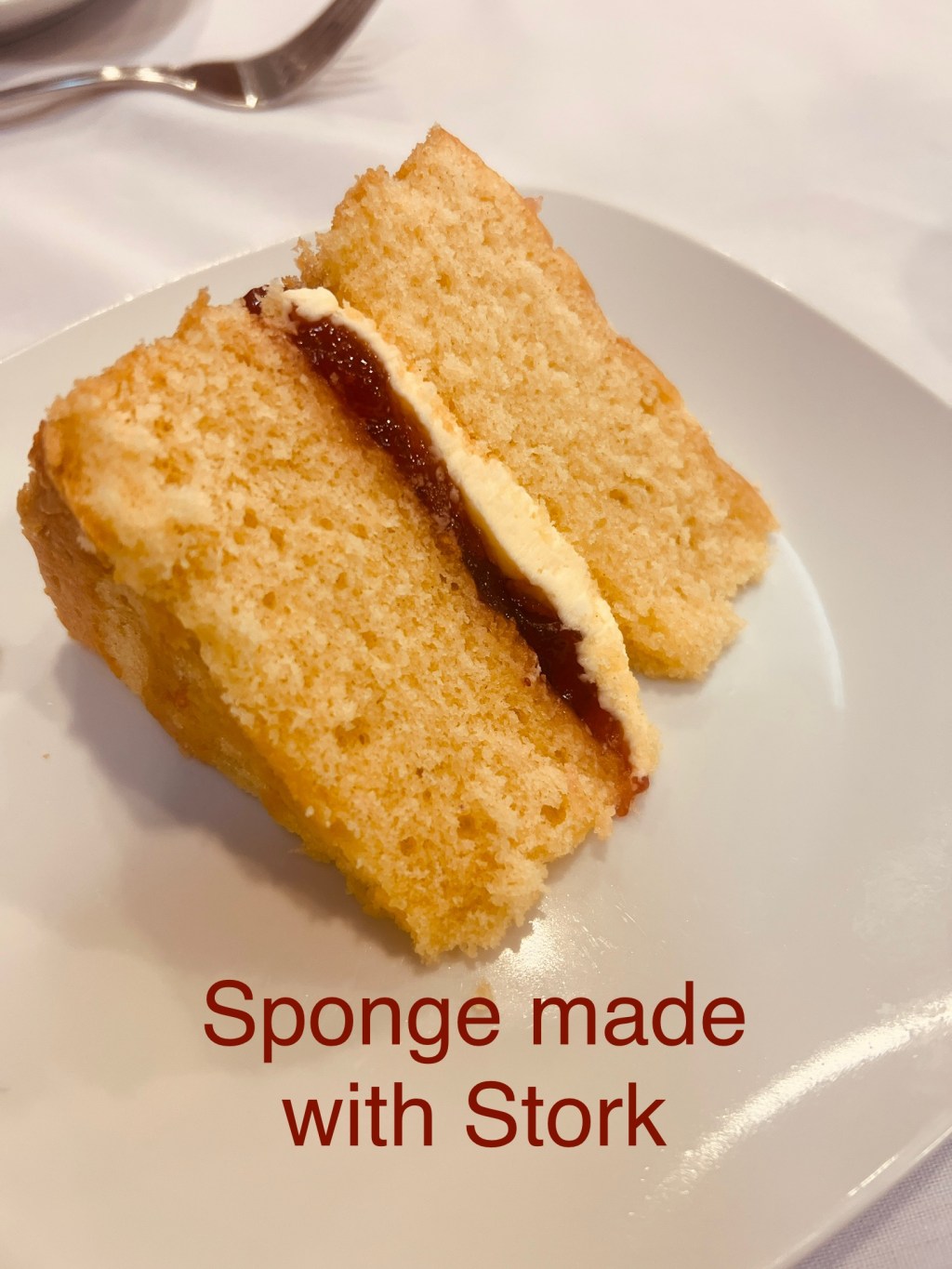
Have you noticed Stork is not called margarine?
My story of teaching with Stork is on this link.
It was the start of the famous All in one method, which exam boards didn’t like – not skillful enough!

It’s one of the stories in my next book
Cream Horns and Vol au Vents – ready November 2025
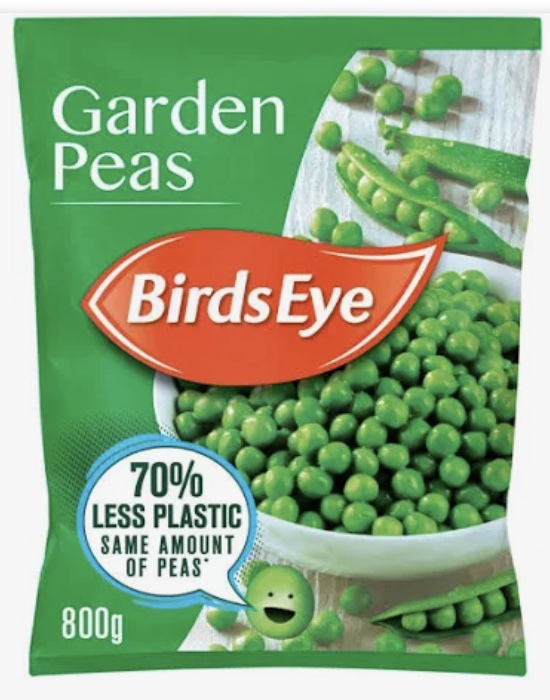
Teaching Peas and making Pea risotto.
Remember the Bird’s Eye advert?
Sweet as the moment when the pods went pop.
Read the full story on this link

This cover is designed by ChatGBT.
Book nearly finished – ready end Oct 2025
Check on Amazon
Free sample download on this link

Toad in the hole was made from sausages in the 1970s but modernise the recipe – use oil instead of lard, select some roast veggies to replace the sausages or make a veggie Toad with veggie sausages.
Ingredients
Serves 4
25g lard
200g sausages
100g plain flour
Pinch of salt
2 eggs
200ml milk
Method
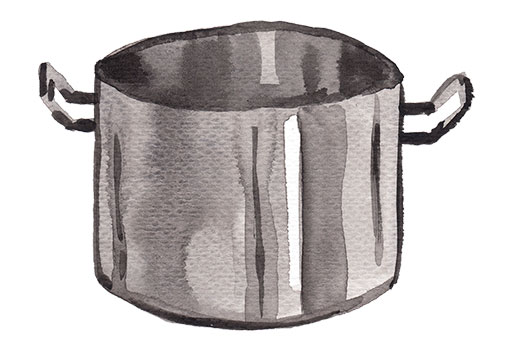
OK I know this sounds horrid but it is an authentic 1972 recipe – if you want the real one, find an Italian cookbook. You can read about my spag bog lesson here.
Ingredients
Serves 4
400g minced beef
25g lard
1 onion, finely chopped
3 tablespoons tomato ketchup
Pinch mixed herbs
100g spaghetti
salt
50g grated Cheddar cheese
Method
Fry the minced beef with the lard and chopped onion until the meat turns brown.
Stir in the tomato ketchup, mixed herbs and enough water to make a smooth sauce.
Cover the pan with a lid and cook gently for 10 minutes. Stir occasionally.
Half fill a large saucepan with boiling water and add the salt.
Dip one end of the spaghetti in the water, wait till it softens, then wind the spaghetti round in the water until it is completely covered by the water. Boil quickly for 10 minutes with the lid off, until the spaghetti is tender.
Throw it at the wall if you like! If it sticks it is done.
Drain off the water by pouring the contents through a colander which is held over a sink.
Place the spaghetti on a warm serving dish, pour the meat sauce over it and sprinkle grated cheese on top.
History note
In 2021 you would ditch my 1970s ingredients for the Bolognese sauce and make it from lean minced beef, tomato paste and tinned tomatoes, delicious herbs like oregano and extra virgin olive oil, then grate expensive parmesan cheese on top.

This was the recipe that I used in 1972 and it was a cheap nutritious dish for supper, but many of my students left their stuffed heart behind for me to sell in the staffroom. You can read about the Awful Offal lesson here.
Ingredients
Serves 4-6
4-6 lamb’s hearts
Sage and onion stuffing mix
1 onion cut into slices
Knob of lard
1 heaped tbsp plain flour
500 ml boiling water
2 beef Oxo cubes
Method
Prepare the hearts – remove the fatty bits and tubes to form two pouches.
Make up the packet of stuffing mix with water following instructions and press it firmly into the hearts.
Fry the onion in the lard until it browns. Add the hearts and fry and turn them until brown.
Remove the hearts, and place in an ovenproof dish.
Stir the flour into the onions, add water and Oxo cubes then cook until it thickens to a gravy.
Pour over the hearts, cover with greaseproof paper and bake in the oven for 45 minutes, 180°C, Gas mark 4.
To serve, leave to stand for 10 minutes, then slice and cover with the gravy. Serve with creamy mashed potatoes.
History note
When I asked my local supermarket why they had so many packs of frozen lamb’s hearts they said ‘dog food’. Not popular in 2021.

In the 1970s we made the rough puff pastry but it is so much easier just to buy it ready rolled in a packet! Find cream horn tins on ebay, in antique shops or Nisbets
Ingredients
320G Pack Ready Rolled Puff Pastry
Jam
Whipped Cream
Sugar To Sprinkle On Pastry
Oil To Grease Cream Horn Tins
Method
Preheat the oven to 200C, Gas 7.
Roll out the pastry from the packed and cut into strips 2x20cm long.
Dampen the pastry with water and wind round the tins starting at the pointed end and overlapping the strips.
Place on a baking sheet with joins underneath and brush with sugar and water for the glaze.
Bake for 10 minutes, glaze again then bake a further 7-10 minutes until crispy and golden brown.
Leave to cool and carefully remove the pastry from the tins.
Spoon some jam into the the horn and fill with whipped cream.
History note
The Stork cookery book suggests a Mock cream instead of real cream which was very expensive at the time.
Ingredients – level tbs cornflour, 1/4 pint milk, 2 oz Stork margarine, 2 heaped tbs caster sugar, drop of vanilla essence.
Blend the cornflour and milk and boil, stirring all the time. Pour into a basin and leave to cool.
Cream the Stork and caster sugar, slowly add the cornflour mixture a little at a time whilst beating. Add vanilla essence – if liked!
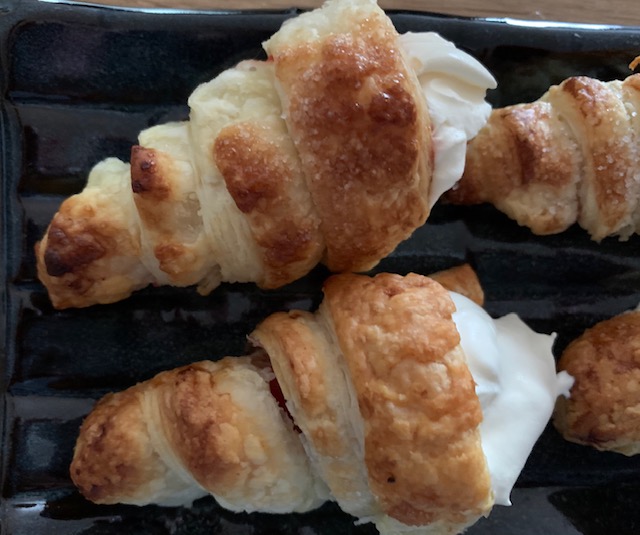
One day I will never ever make rough puff, flaky and puff pastry again. It will be struck off by the exam boards when they realise it is a high fat waste of my student’s time. We might show videos about it as a piece of history.
A nonsense done by daft cookery teachers in the 1970s and silly fun shown on old TV game shows.

One day a factory will make it and we can buy it in supermarkets ready made if we really want to cook with it. The cream horn tins will be thrown away. My students won’t know the meaning of mille feuille.
Eccles cakes, sausage rolls and jam puffs will be bought in cake shops unless a future government puts a ban on them or labels them with big red sticker to show they are very high in fat.
No more pastry made from lard or cheap fishy margarine from county supplies. No more struggling on hot summer days trying to get lumps of fat in between layers of fatty pastry. No more scraping off sticky failures from my work surfaces.
No more greasy baking trays for me to soak after school in the butler’s sink full of boiling water and caustic soda.
No more fatty cooking that drips through the shelves of the oven, splatters the oven sides and glass doors and covers the oven with blobs of grease.
My cookers need an industrial cleaning company to come in after these pastry lessons and remove the amount of grease that has accumulated from these wretched high fat pastry dishes.
After school I spend hours lying on the kitchen floor, scraping out layers of fat and scouring the trays at the bottom of the oven with endless Brillo pads to stop black smoke from billowing out when the ovens are lit.
There is a limit to the cleaning greasy oven punishments I can hand out to naughty students to help with this task!
And no, the school cleaners do not want to do this job – it is not part of their role according to Jim the caretaker.
The exam has been renamed Food and Nutrition. We learn about healthy eating and cutting down on saturated fat. Fatty pastry lessons must stop.
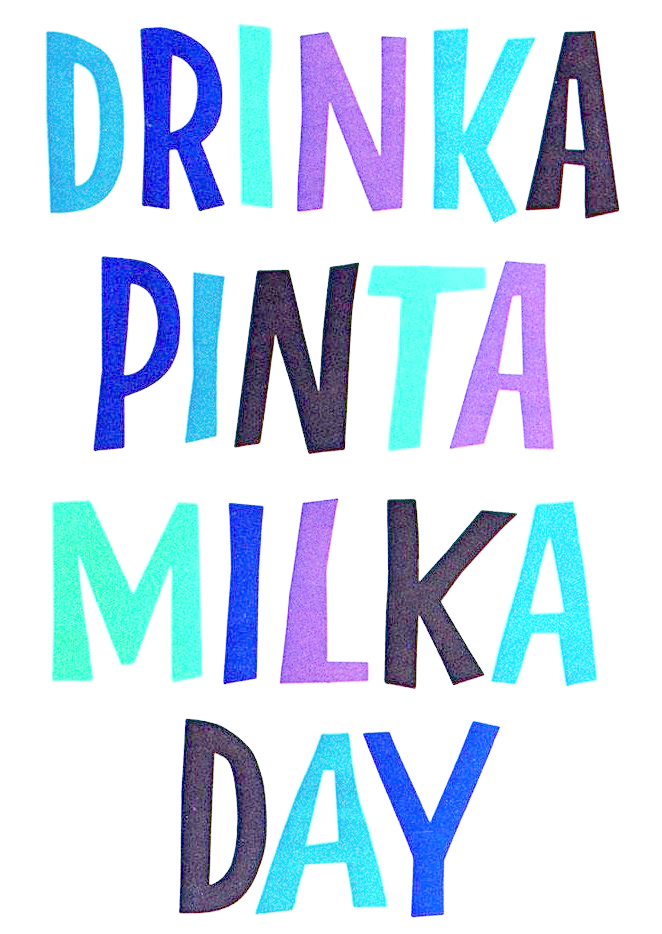
The Drinka Pinta Milka day campaign was launched in 1958 to encourage every adult in Britain to drink a pint a day. The ads emphasized milk’s nutritional benefits – providing calcium and protein for growth, and strong bones and teeth. It was seen on TV, in magazines, and on billboards.
In 2025 in the UK we drink 170 ml a day of milk compared with 400 ml in 1974. Do you know why?
For my book Cream Horns and … I’ve written about my class trip to the National Dairy Council. Big posters lined the wall encouraging milk and cheese consumption. It’s on this link.
 Jenny Ridgwell