Cover created by David Smith, a great artist who has illustrated so many of my books.
Amazon has Kindle, paperback and hardback on this link

Cover created by David Smith, a great artist who has illustrated so many of my books.
Amazon has Kindle, paperback and hardback on this link

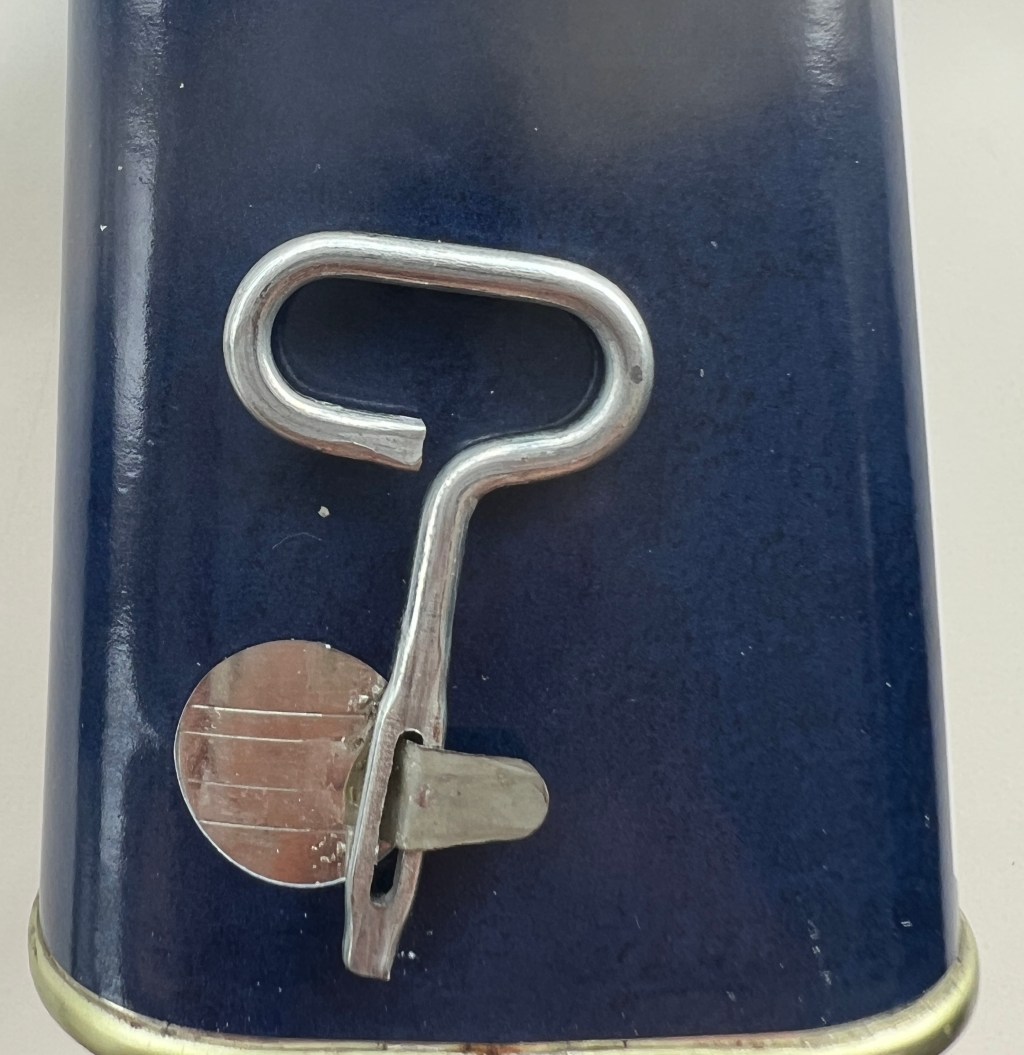
Anyone ever lost one of these?
Boys were especially good at breaking the keys on their tins.
You can read the story on this link.

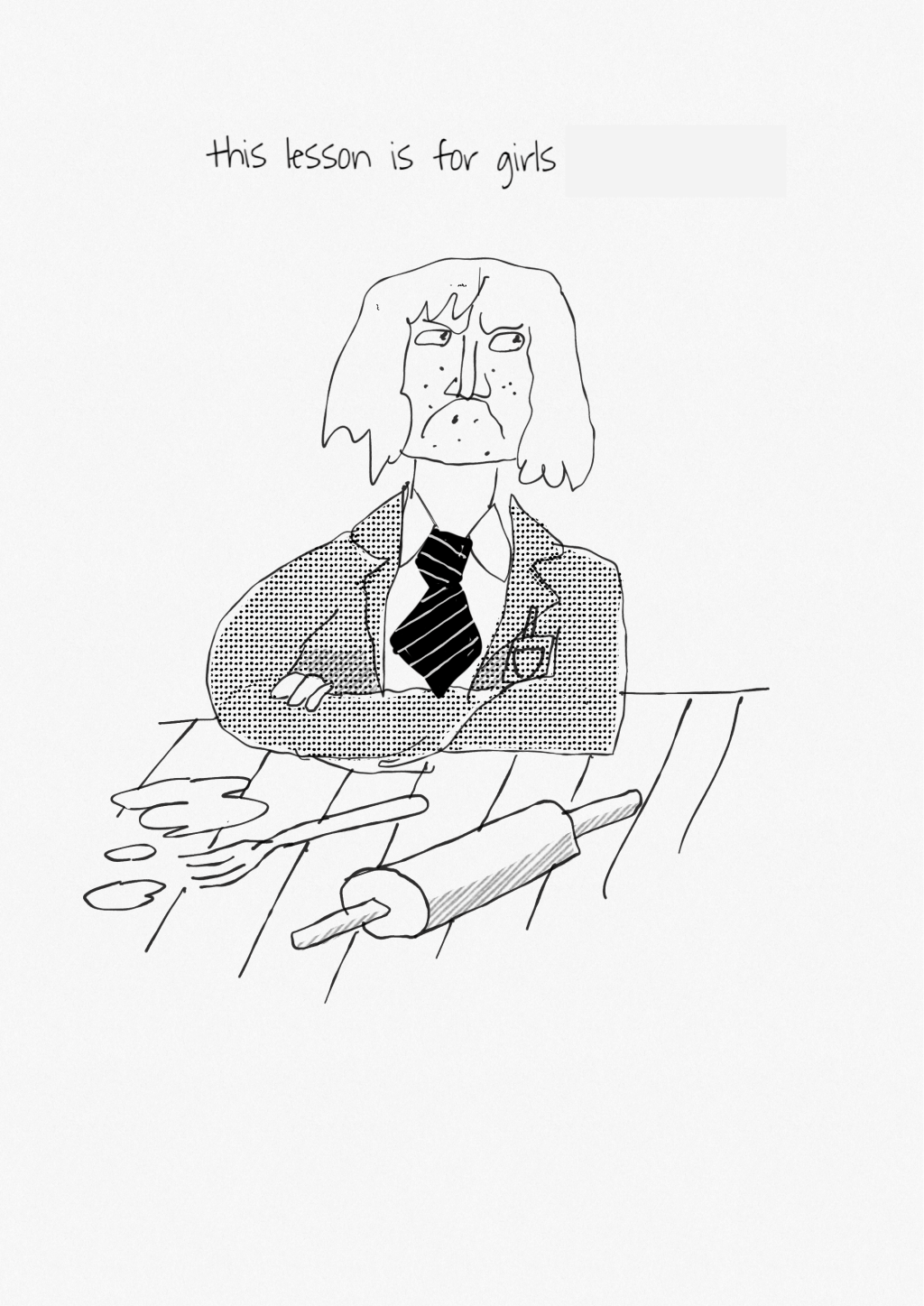
Boys were able to take cookery lessons from the 70s.
Read my story of why so many came to my classes.

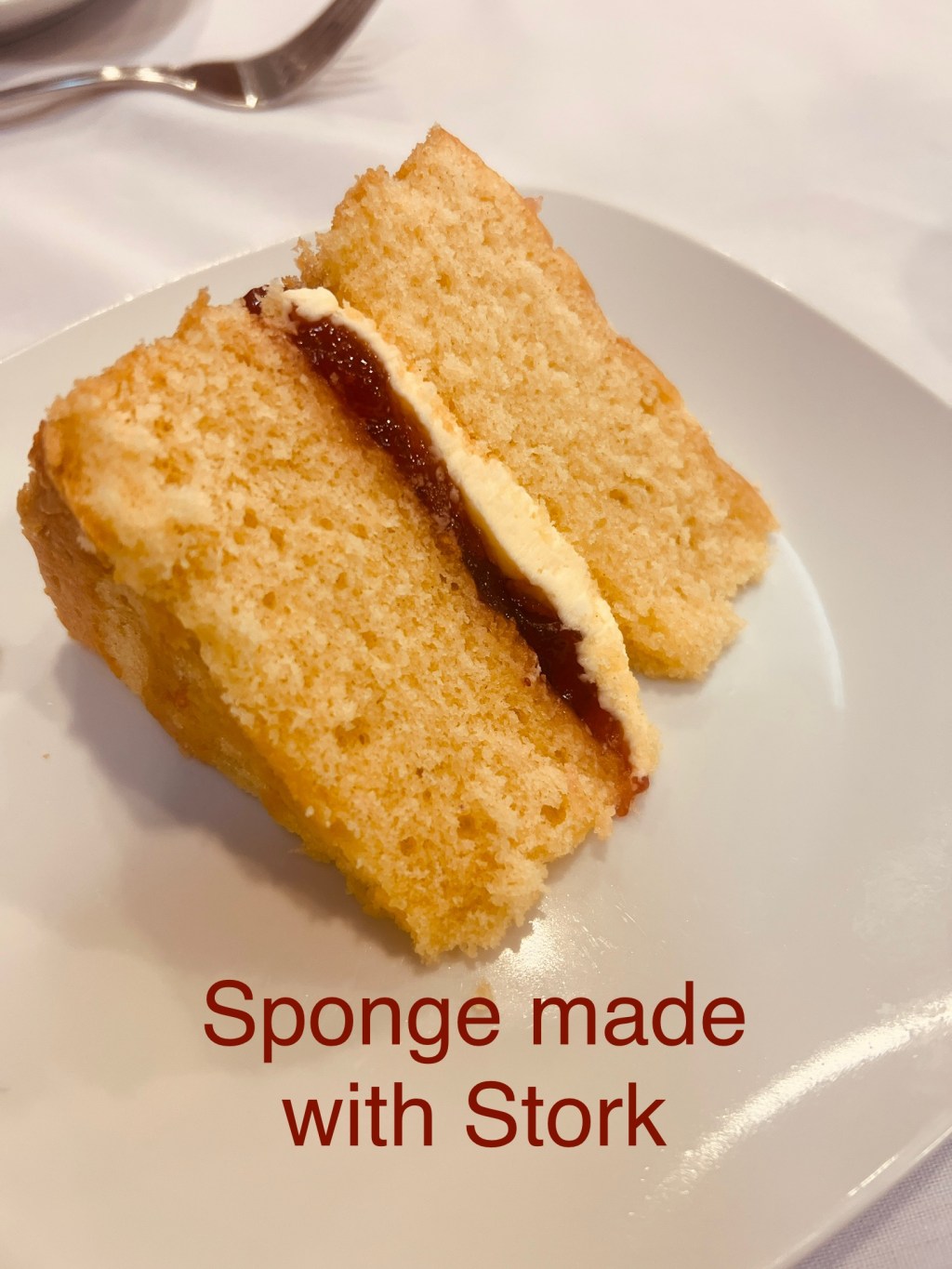
Have you noticed Stork is not called margarine?
My story of teaching with Stork is on this link.
It was the start of the famous All in one method, which exam boards didn’t like – not skillful enough!

It’s one of the stories in my next book
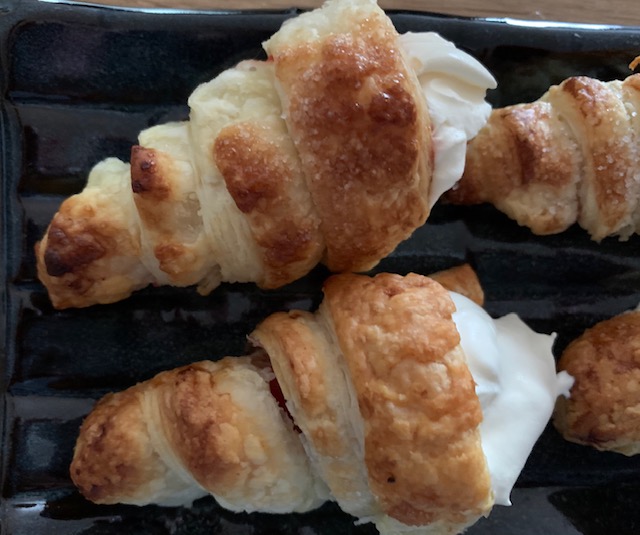
Cream Horns and Vol au Vents – ready November 2025

This cover is designed by ChatGBT.
Book nearly finished – ready end Oct 2025
Check on Amazon
Free sample download on this link

One day I will never ever make rough puff, flaky and puff pastry again. It will be struck off by the exam boards when they realise it is a high fat waste of my student’s time. We might show videos about it as a piece of history.
A nonsense done by daft cookery teachers in the 1970s and silly fun shown on old TV game shows.

One day a factory will make it and we can buy it in supermarkets ready made if we really want to cook with it. The cream horn tins will be thrown away. My students won’t know the meaning of mille feuille.
Eccles cakes, sausage rolls and jam puffs will be bought in cake shops unless a future government puts a ban on them or labels them with big red sticker to show they are very high in fat.
No more pastry made from lard or cheap fishy margarine from county supplies. No more struggling on hot summer days trying to get lumps of fat in between layers of fatty pastry. No more scraping off sticky failures from my work surfaces.
No more greasy baking trays for me to soak after school in the butler’s sink full of boiling water and caustic soda.
No more fatty cooking that drips through the shelves of the oven, splatters the oven sides and glass doors and covers the oven with blobs of grease.
My cookers need an industrial cleaning company to come in after these pastry lessons and remove the amount of grease that has accumulated from these wretched high fat pastry dishes.
After school I spend hours lying on the kitchen floor, scraping out layers of fat and scouring the trays at the bottom of the oven with endless Brillo pads to stop black smoke from billowing out when the ovens are lit.
There is a limit to the cleaning greasy oven punishments I can hand out to naughty students to help with this task!
And no, the school cleaners do not want to do this job – it is not part of their role according to Jim the caretaker.
The exam has been renamed Food and Nutrition. We learn about healthy eating and cutting down on saturated fat. Fatty pastry lessons must stop.

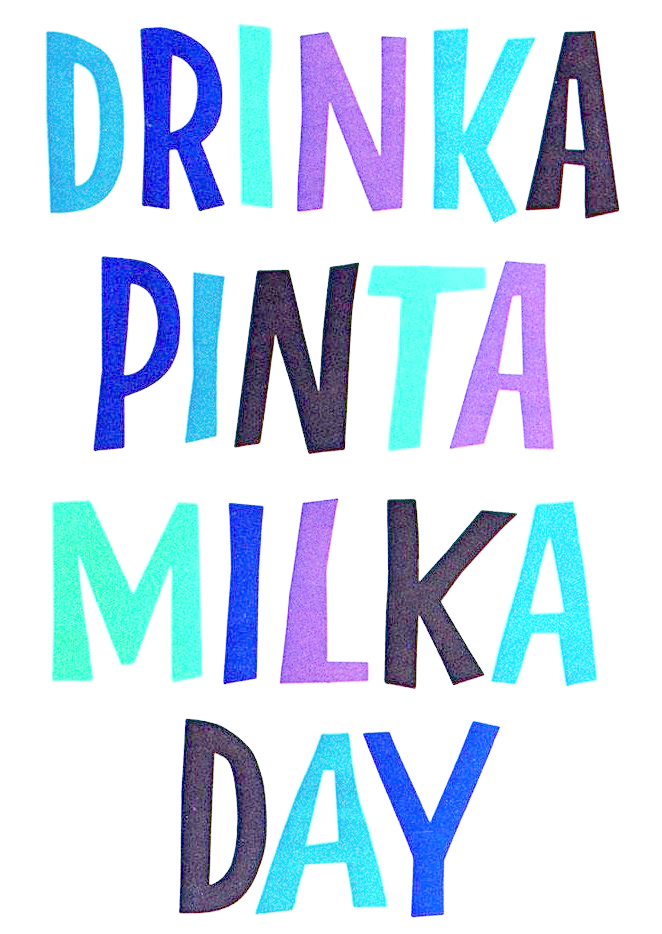
The Drinka Pinta Milka day campaign was launched in 1958 to encourage every adult in Britain to drink a pint a day. The ads emphasized milk’s nutritional benefits – providing calcium and protein for growth, and strong bones and teeth. It was seen on TV, in magazines, and on billboards.
In 2025 in the UK we drink 170 ml a day of milk compared with 400 ml in 1974. Do you know why?
For my book Cream Horns and … I’ve written about my class trip to the National Dairy Council. Big posters lined the wall encouraging milk and cheese consumption. It’s on this link.
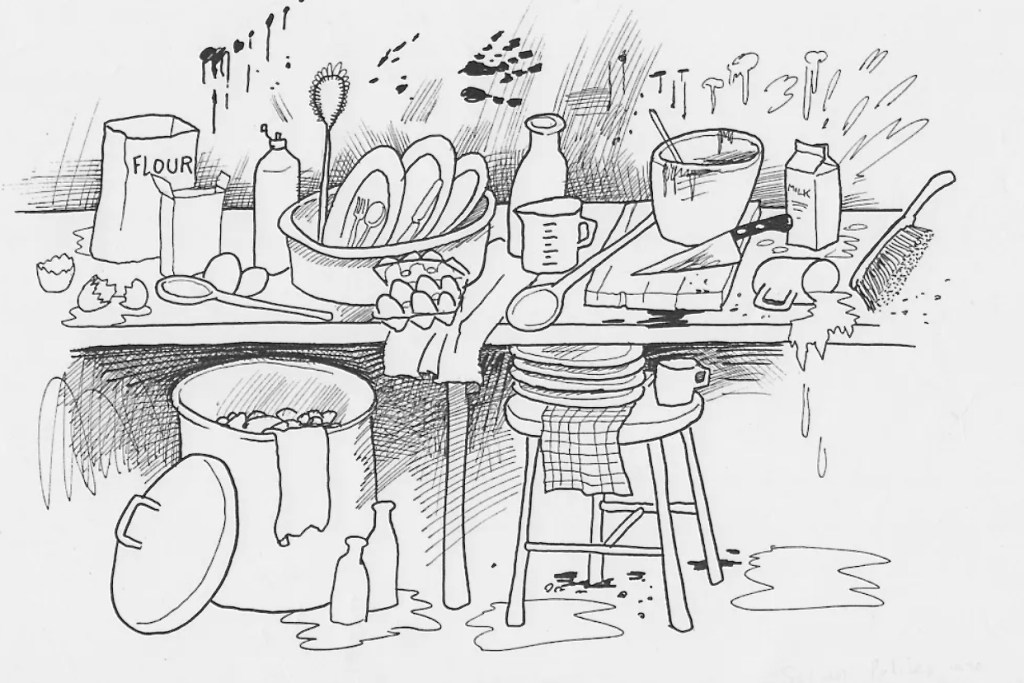
This is my story of a Chocolate Mousse lesson in school 1973.
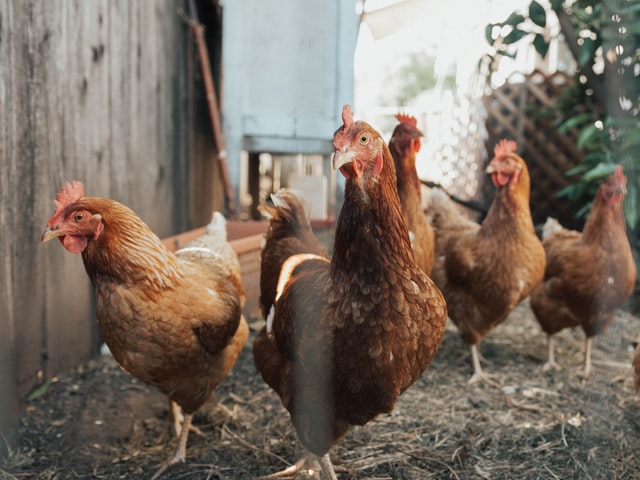
We bought the ingredients for the class – eggs and cooking chocolate, BUT white eggs from the 1950s to 1960s were being replaced with brown eggs. And students thought brown eggs were healthier and best.
‘Class. We’re making chocolate mousse. Bring a plate and collect an egg and a piece of chocolate.
This should be easy but there’s a kerfuffle. Jimmy bangs his fist on my table.
‘Miss, they’ve taken all them brown eggs and I’m not using them white ones. Me mum only buys brown eggs now. They’re healthier and fresher.’
The remaining queue mutters agreement.
‘Class, come and sit round my table. Jimmy – all eggs are the same. You don’t eat the shell.’
‘Miss, brown eggs are natural, I want one of them.’
‘Look, Jimmy we’ll sort something out. We need to know how fresh they are. There’s no information on the box so you must each come up and do the freshness test.’
There’s a large jug of salted water on my table.
‘Put your egg gently in the water. If it sinks it’s fresh, if it floats it’s too old and we’ll throw it away.’
One by one the eggs get tested, dark brown, light brown, the cream and white shelled ones. One by one they sink.
‘See they’re all fresh and the inside’s the same. Trust me Jimmy this time. ’
Back in their places, I see Jill swap her brown egg with Jimmy’s white one. That’s so kind.
‘Class. Let your chocolate melt in a small bowl over a saucepan of water. Then the tricky bit. Separate the egg white and yolk into two bowls. Cool the chocolate, stir in the yolk, then whisk the egg white until it’s stiff.’
‘Fold the egg white into the chocolate a spoonful at a time. Don’t lose the air. Spoon into a glass dish and chill.’
It all sounds so simple. We watch as fluffy and runny dishes of chocolate mousse get stacked in the fridge. Or on the windowsill when we run out of room. Soon they set and we’ll plop on a glacé cherry and an angelica diamond.
Cynthia hands round teaspoons and they tuck in.
‘Hey class? Why don’t eggs tell jokes?’
I wait a few seconds.
‘Because they’d crack each other up.’
They laugh and for now it doesn’t matter if eggshells are white or brown.

Dave Smith has done some wonderful drawings in the hardback edition of I taught them to cook.
These are images food teachers like:-


Schools went metric in 1971 – that’s over 50 years ago! I threw out the scales measuring ounces and pounds and the jugs with pints and fluid ounces and changed all my recipes to grams and millilitres. Now fifty years ago the UK is still selling milk in pints and beer in half and full pints. Our recipe books are written in metric and imperial according to the Guild of Food Writers whose authors are publishing for 2021.
You can read about my struggle to teach in metric on this link
Students would bring in treasured recipe books with the old measures and tell me that the cake wouldn’t work unless it was measured in ounces! Please can someone decide that we should go completely metric and measure in cm and drive in km!
Photo by Annie Spratt on Unsplash