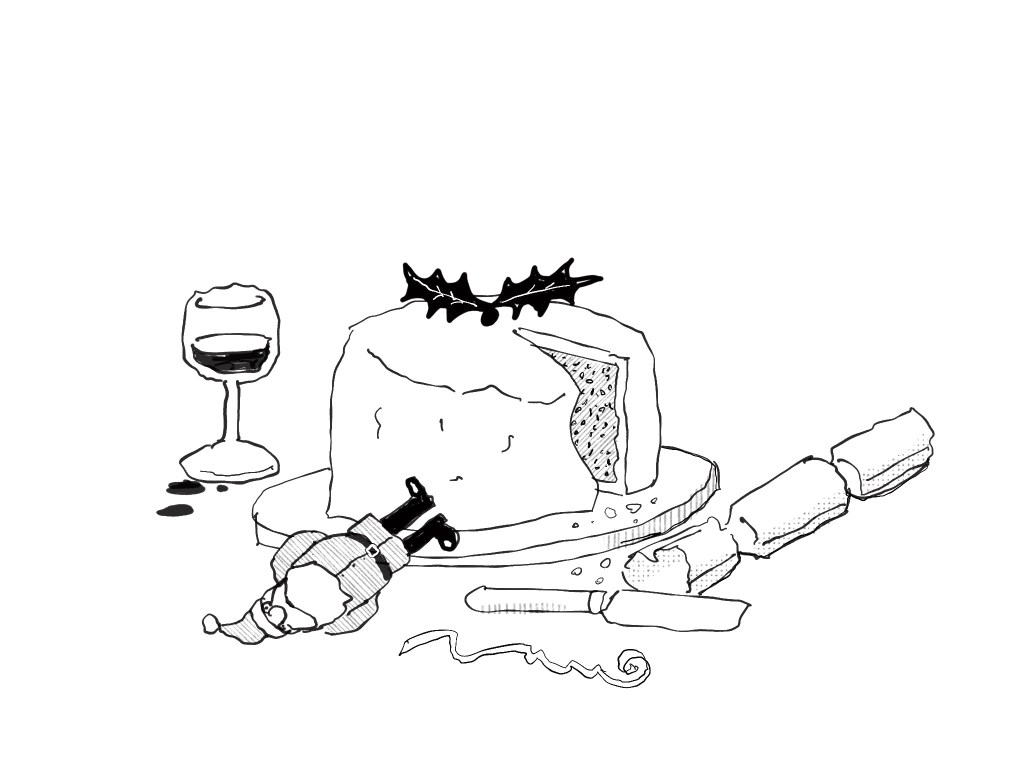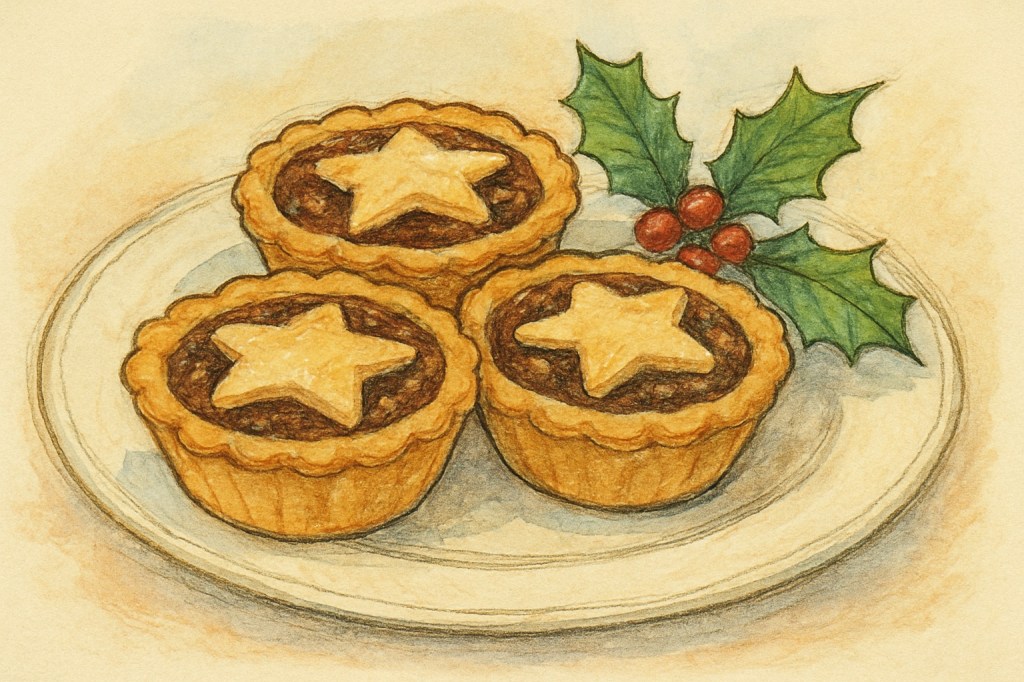
How Delia stopped me from making 300 mince pies.
Click the link to see my reading from Cream Horns and Vol au Vents at my book launch.
READ the the full story on this link


How Delia stopped me from making 300 mince pies.
Click the link to see my reading from Cream Horns and Vol au Vents at my book launch.
READ the the full story on this link


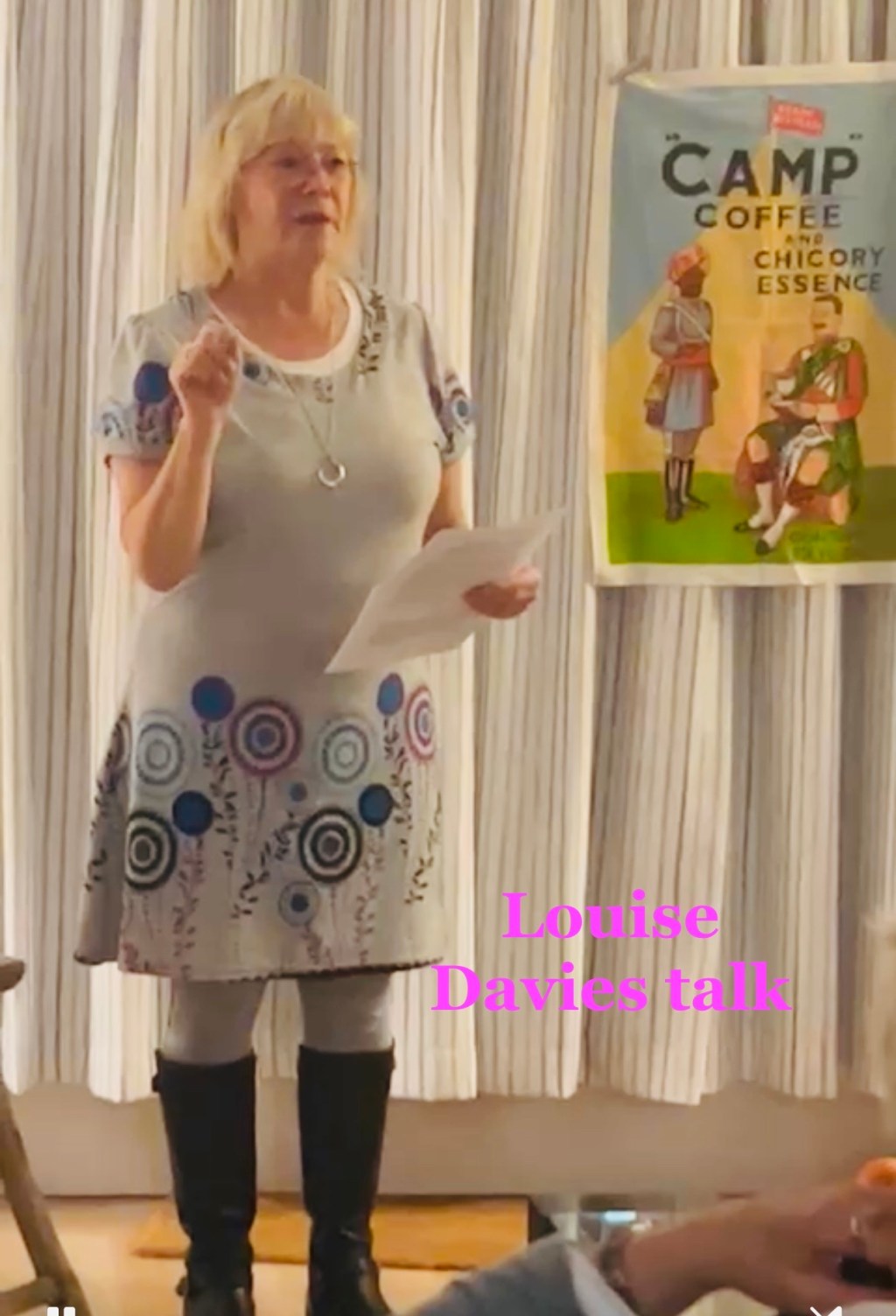
Link to Louise’s talk at my book launch for Cream Horns and Vol au vents. On this link
Discover how we met at Hurlingham School and went on to write many books together.
Louise runs The Food Teachers Centre which supports over 10,000 food teachers around the country.


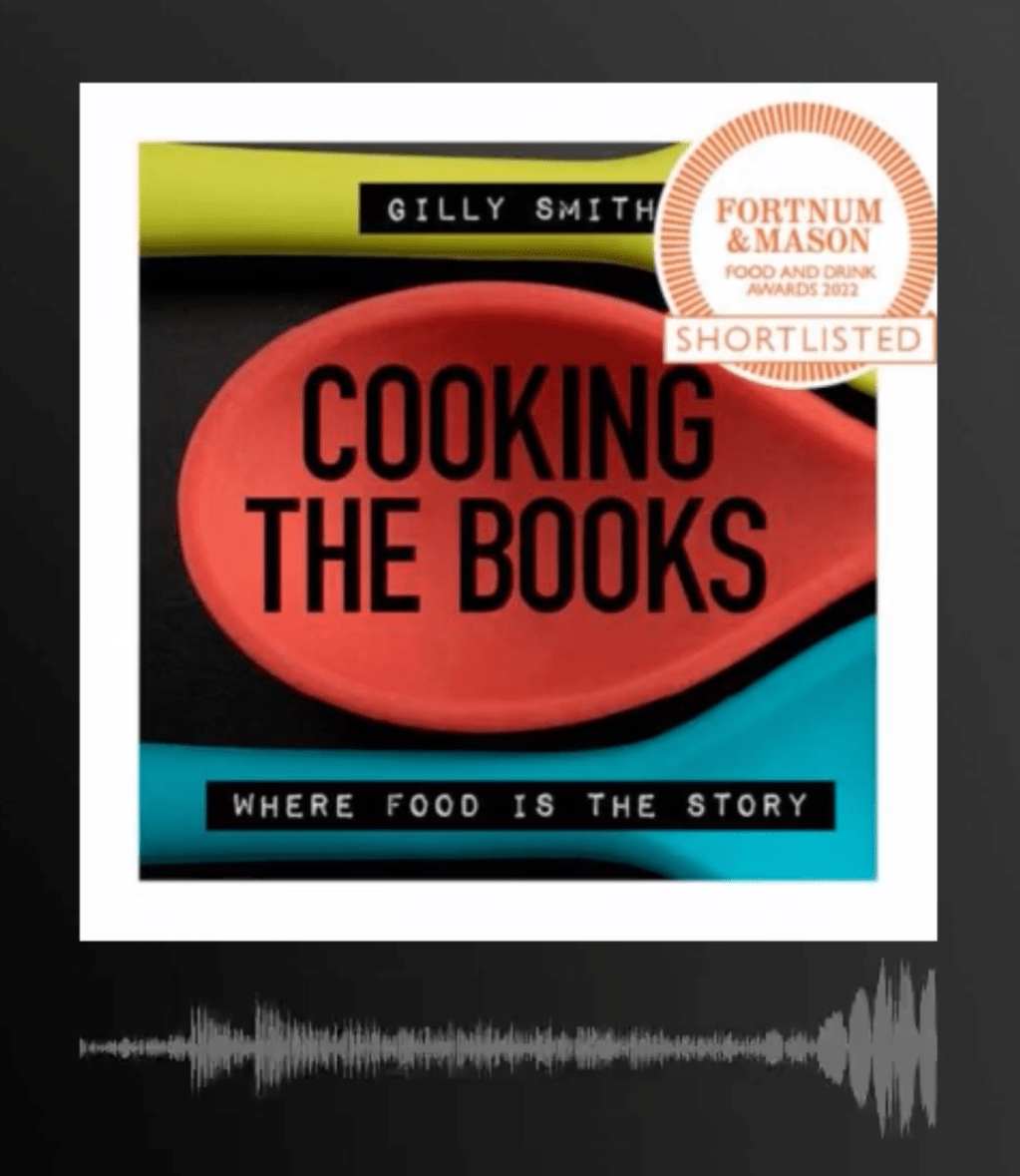
Listen to Gilly Smith interviewing me on Cooking the Books Podcast.
My book I taught them to cook is a blistering expose of teaching teenagers in 1970s London how to cook fatty pastries and cakes.
But it was fun.


This YouTube video is Part 1 of planning to write Cream Horns and Vol au Vents
There’s a diary for 1973 to get the dates right.
A list of rude cooking words
Planning the characters and changing names
Planing 1974 with three day week and blackouts.

When the wheat, oats and barley were ready for harvesting in Northamptonshire fields, I’d pick some for my classes to taste as part of their food lessons.
Read about these stories in my latest book Cream Horns…
‘Before I return to London, I drive into the countryside and climb over gates into the fields ready for harvesting, carrying a pair of scissors.
Large bundles of wheat, barley and oats make excellent visual aids for my lessons, displayed on a nature table in my classroom.
London children often have no idea how some of our food is grown, and may never have tasted the seeds from the ears of wheat.’

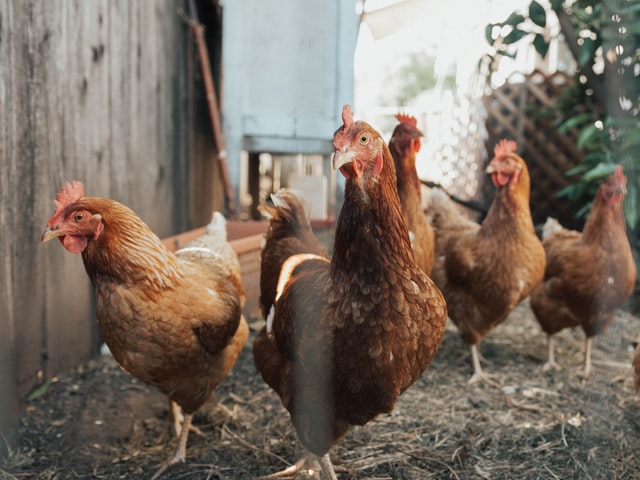
In the 1950s, Britain produced 1 million chickens a year – today it is over a billion. Intensive farming in the late 1960s reduced the price of chicken.
In 1972, chicken was too expensive for me to cook at school and there was nothing in the textbooks or exams.
Read about my chicken lesson here. From I taught them to cook
Today chicken is the most popular meat around the world.
Photo by William Moreland on Unsplash

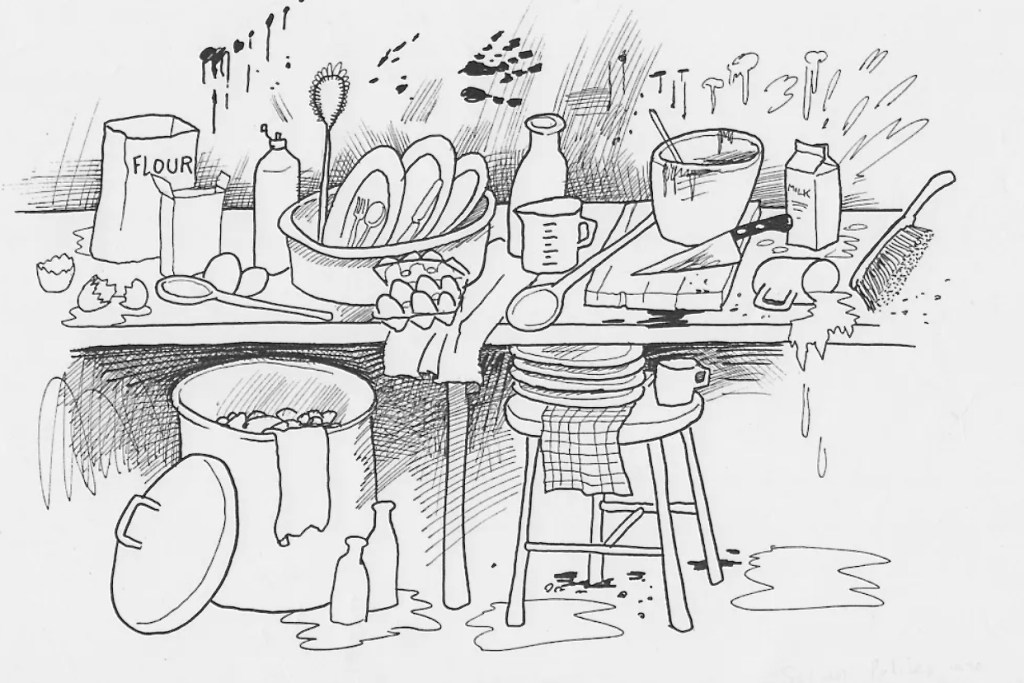
How I tried to teach my students to wash up in my lessons.
Do you ever dilute Fairy Liquid?
Story from Cream Horns…

Delia’s How to cheat at cooking helped stop me making mincepies for the school Carol Service 1973
Read about it on this link


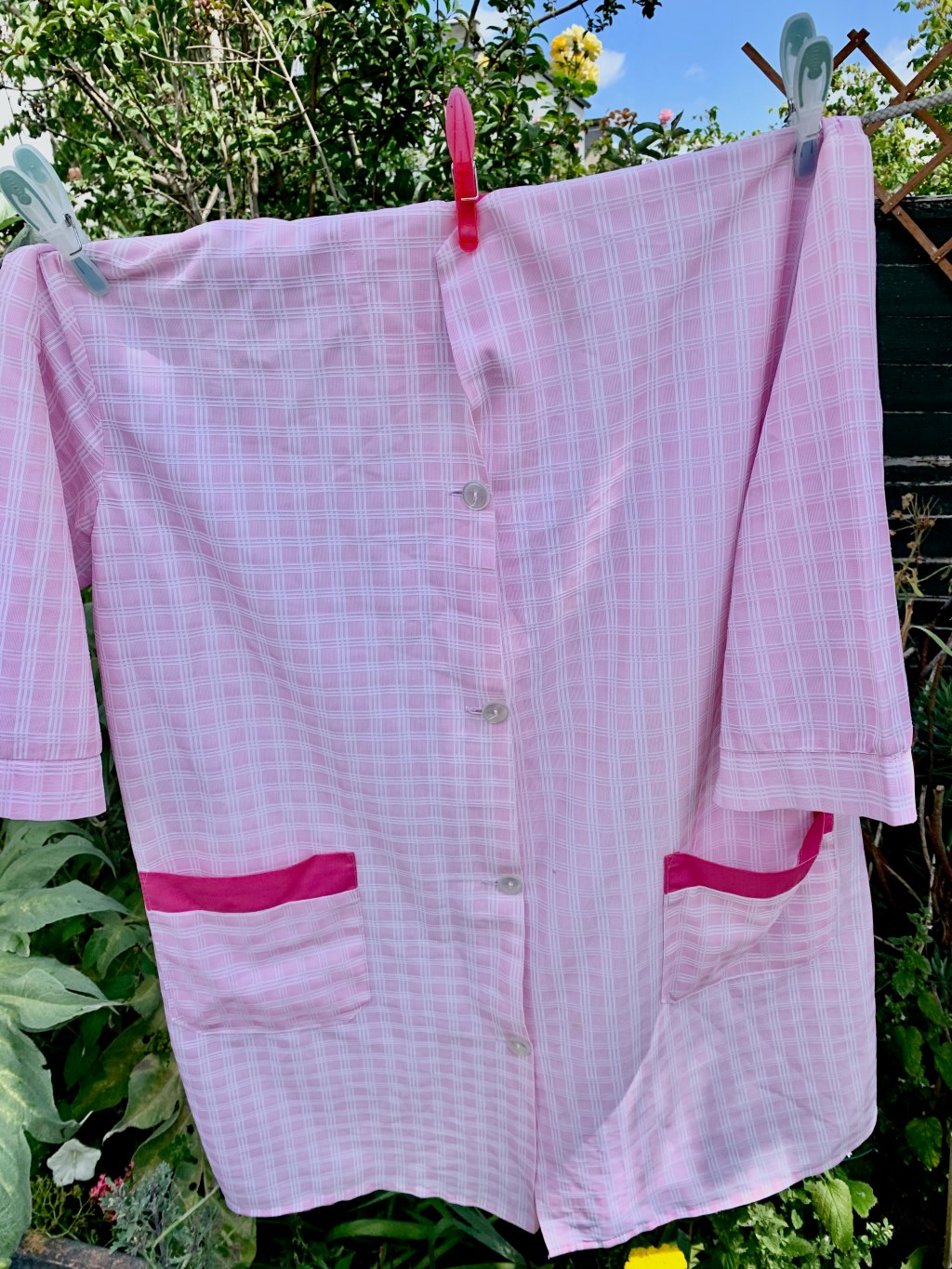
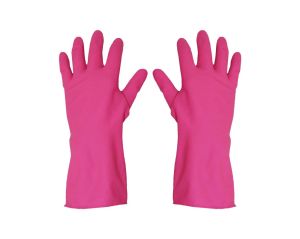
This is my uniform as a 1970s cookery teacher with matching pink rubber gloves.
The post on this link became my most popular website click. But I don’t think it was to read about about food teaching.
Are pink overalls and rubber gloves a fantasy?


Food teaching has so many titles around the world, it’s hard to know where it is taught. It’s called home economics, home and consumer studies, food and health, food & nutrition, consumer studies, and food technology as part of Design & technology.
ChatGPT says ‘It’s reasonable to estimate that at least 100 countries teach some form of home economics/domestic science (or equivalent) at some level.
In Sweden the subject is known as Home and Consumer Studies
Finland has a long history of home economics/household economics education
Austria offers Nutrition and Household
In Japan, the subject Home Economics appears in school curricula.
In India many education boards offer Home Science
In Indonesia, home economics is described as Family Training and Welfare
Canada does not always have a clearly labelled Home Economics subject
Other countries teach some food studies – Iceland, Denmark,
Singapore – Food & Consumer Education / Nutrition & Food Science
New Zealand – Home Economics
Mauritius – Home Economics
Ghana – Home Economics
Tanzania – Home Economics
Namibia – Home Economics
USA – Home Economics