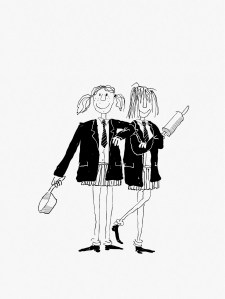
This is my uniform as a 1970s cookery teacher with matching pink rubber gloves.
The post on this link became my most popular website click. But I don’t think it was to read about about food teaching.
Are pink overalls and rubber gloves a fantasy?
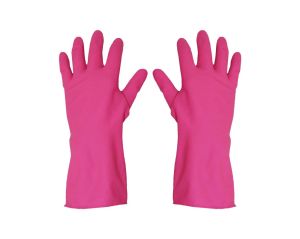
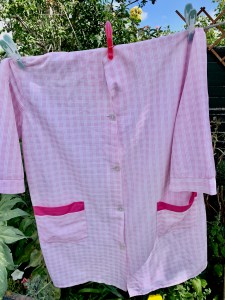
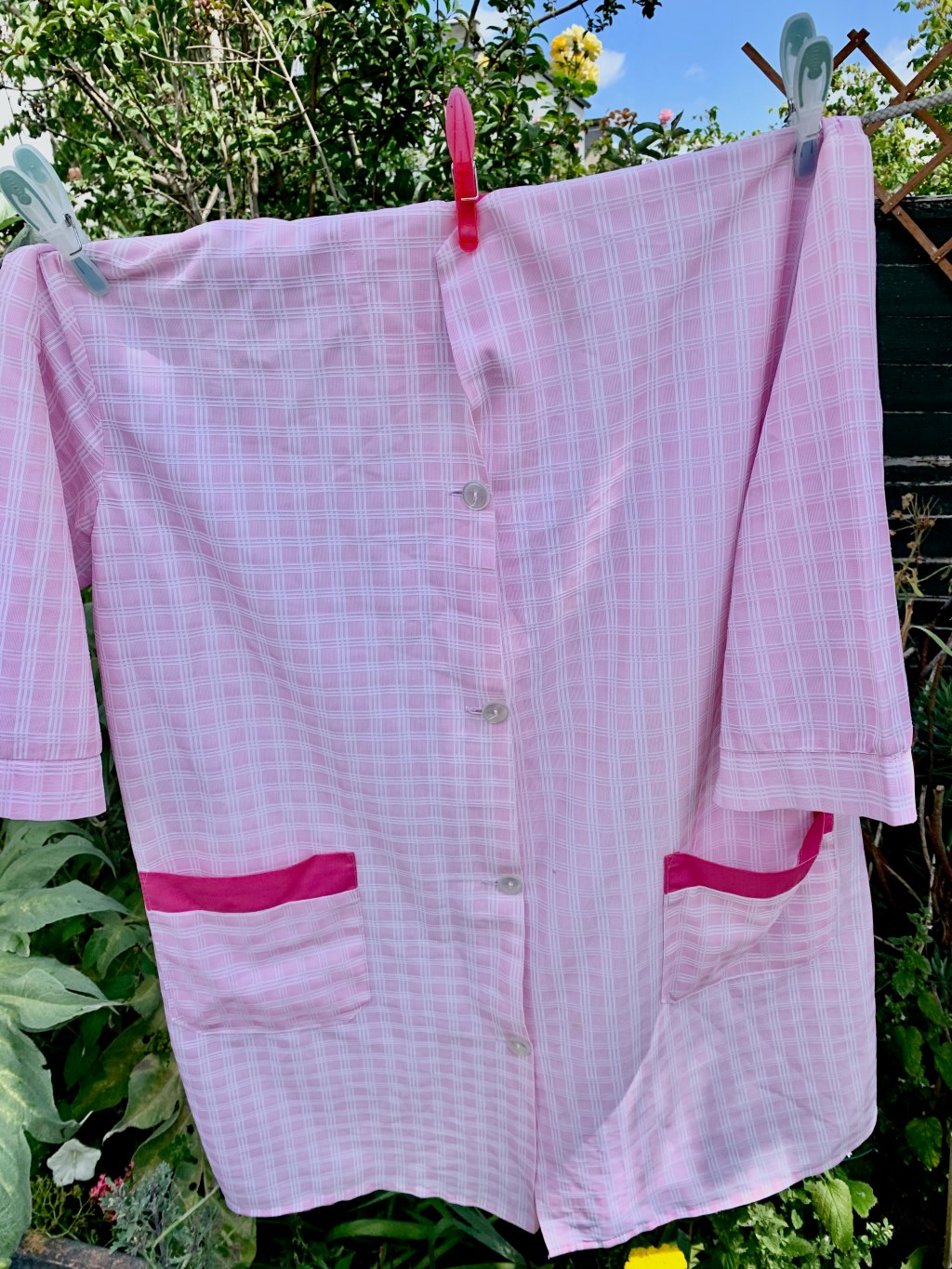
This is my uniform as a 1970s cookery teacher with matching pink rubber gloves.
The post on this link became my most popular website click. But I don’t think it was to read about about food teaching.
Are pink overalls and rubber gloves a fantasy?
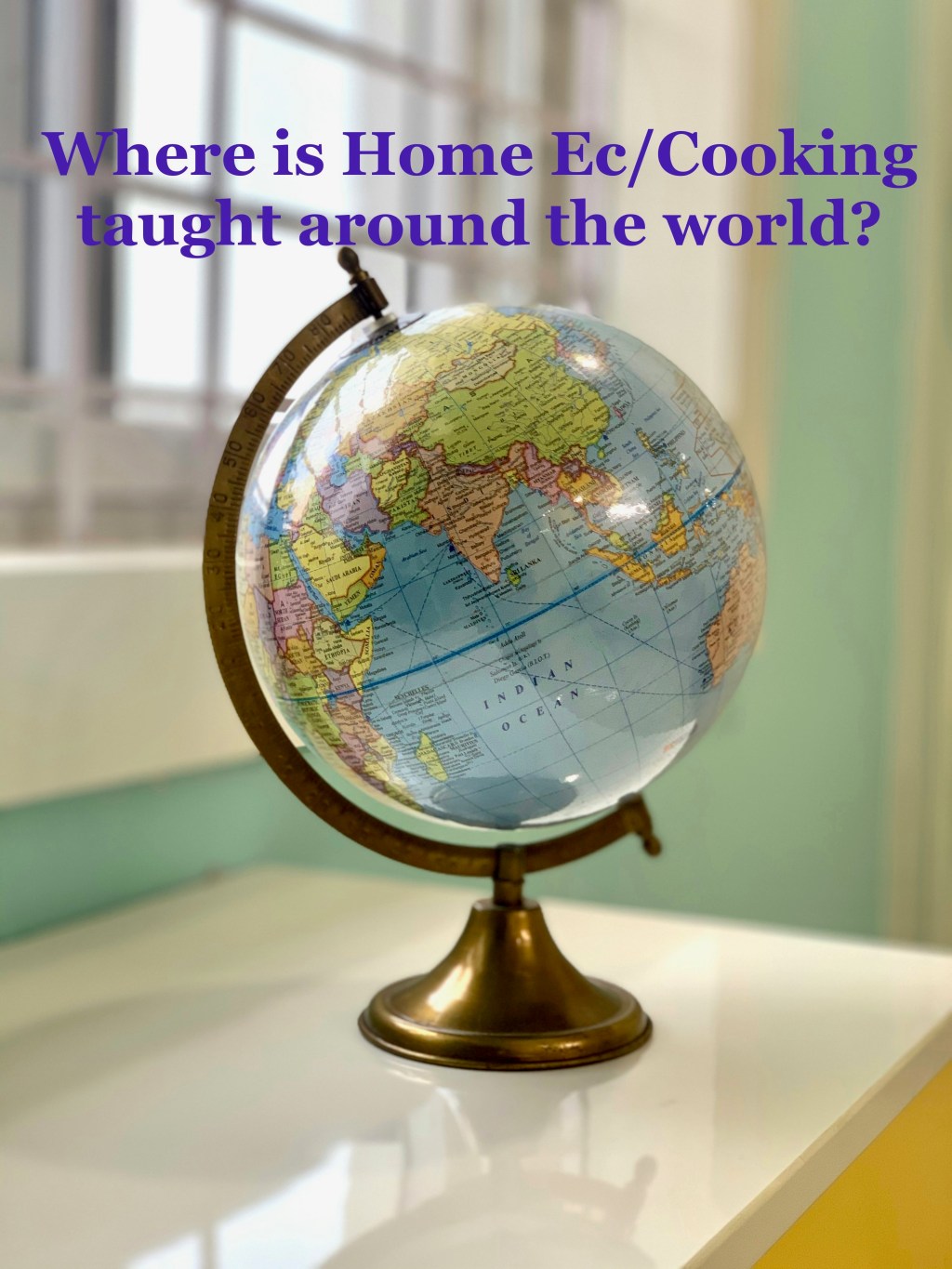
Food teaching has so many titles around the world, it’s hard to know where it is taught. It’s called home economics, home and consumer studies, food and health, food & nutrition, consumer studies, and food technology as part of Design & technology.
ChatGPT says ‘It’s reasonable to estimate that at least 100 countries teach some form of home economics/domestic science (or equivalent) at some level.
In Sweden the subject is known as Home and Consumer Studies
Finland has a long history of home economics/household economics education
Austria offers Nutrition and Household
In Japan, the subject Home Economics appears in school curricula.
In India many education boards offer Home Science
In Indonesia, home economics is described as Family Training and Welfare
Canada does not always have a clearly labelled Home Economics subject
Other countries teach some food studies – Iceland, Denmark,
Singapore – Food & Consumer Education / Nutrition & Food Science
New Zealand – Home Economics
Mauritius – Home Economics
Ghana – Home Economics
Tanzania – Home Economics
Namibia – Home Economics
USA – Home Economics

Cover created by David Smith, a great artist who has illustrated so many of my books.
Amazon has Kindle, paperback and hardback on this link
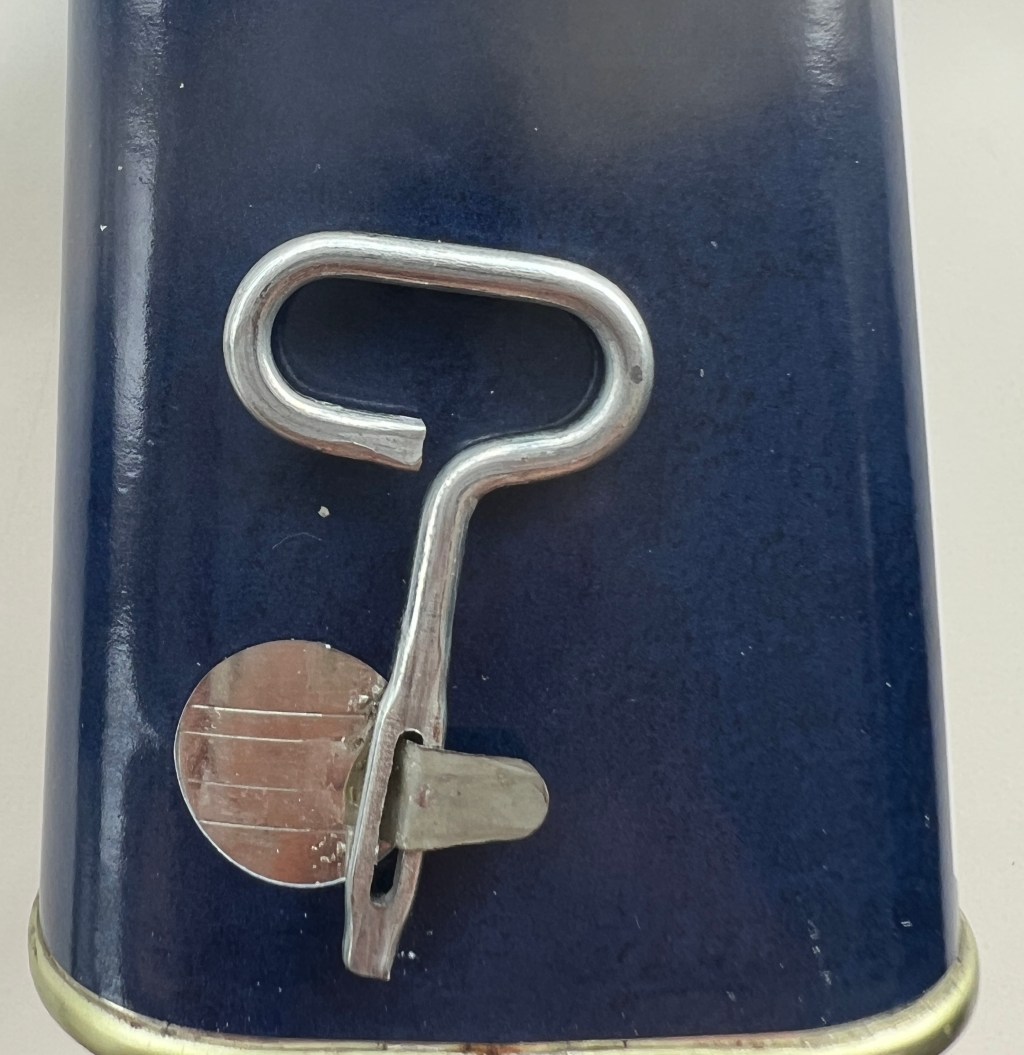
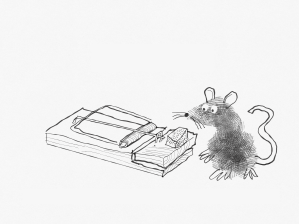
Anyone ever lost one of these?
Boys were especially good at breaking the keys on their tins.
You can read the story on this link.
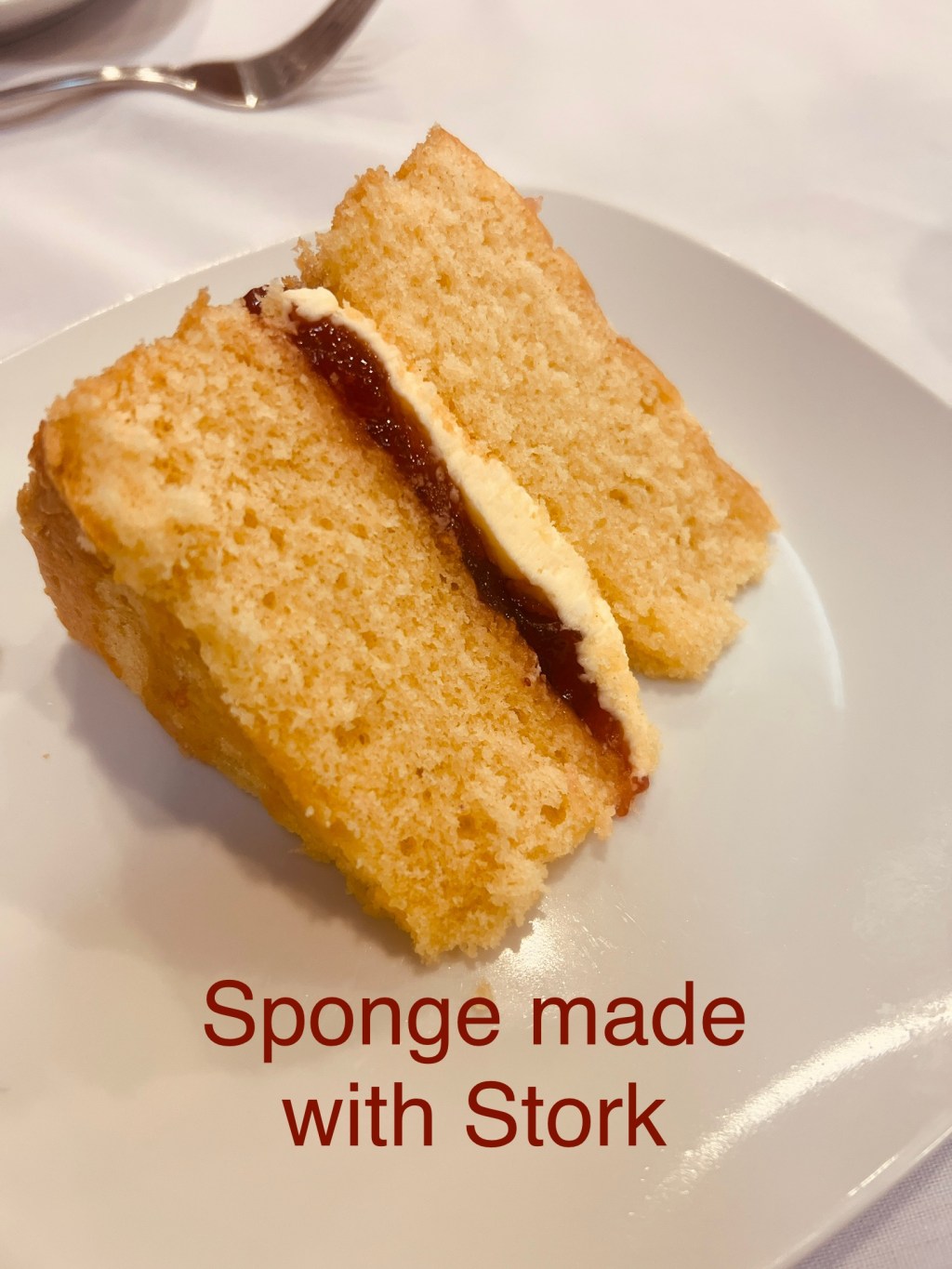
Have you noticed Stork is not called margarine?
My story of teaching with Stork is on this link.
It was the start of the famous All in one method, which exam boards didn’t like – not skillful enough!

It’s one of the stories in my next book
Cream Horns and Vol au Vents – ready November 2025
Teaching Peas and making Pea risotto.
Remember the Bird’s Eye advert?
Sweet as the moment when the pods went pop.
Read the full story on this link
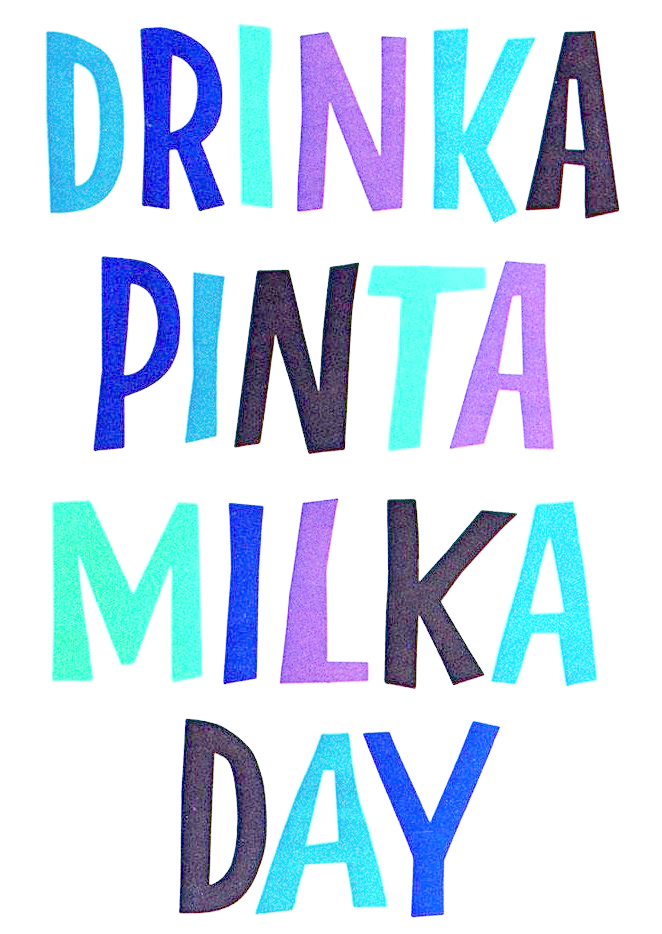
The Drinka Pinta Milka day campaign was launched in 1958 to encourage every adult in Britain to drink a pint a day. The ads emphasized milk’s nutritional benefits – providing calcium and protein for growth, and strong bones and teeth. It was seen on TV, in magazines, and on billboards.
In 2025 in the UK we drink 170 ml a day of milk compared with 400 ml in 1974. Do you know why?
For my book Cream Horns and … I’ve written about my class trip to the National Dairy Council. Big posters lined the wall encouraging milk and cheese consumption. It’s on this link.

This is my story of a Chocolate Mousse lesson in school 1973.
We bought the ingredients for the class – eggs and cooking chocolate, BUT white eggs from the 1950s to 1960s were being replaced with brown eggs. And students thought brown eggs were healthier and best.
‘Class. We’re making chocolate mousse. Bring a plate and collect an egg and a piece of chocolate.
This should be easy but there’s a kerfuffle. Jimmy bangs his fist on my table.
‘Miss, they’ve taken all them brown eggs and I’m not using them white ones. Me mum only buys brown eggs now. They’re healthier and fresher.’
The remaining queue mutters agreement.
‘Class, come and sit round my table. Jimmy – all eggs are the same. You don’t eat the shell.’
‘Miss, brown eggs are natural, I want one of them.’
‘Look, Jimmy we’ll sort something out. We need to know how fresh they are. There’s no information on the box so you must each come up and do the freshness test.’
There’s a large jug of salted water on my table.
‘Put your egg gently in the water. If it sinks it’s fresh, if it floats it’s too old and we’ll throw it away.’
One by one the eggs get tested, dark brown, light brown, the cream and white shelled ones. One by one they sink.
‘See they’re all fresh and the inside’s the same. Trust me Jimmy this time. ’
Back in their places, I see Jill swap her brown egg with Jimmy’s white one. That’s so kind.
‘Class. Let your chocolate melt in a small bowl over a saucepan of water. Then the tricky bit. Separate the egg white and yolk into two bowls. Cool the chocolate, stir in the yolk, then whisk the egg white until it’s stiff.’
‘Fold the egg white into the chocolate a spoonful at a time. Don’t lose the air. Spoon into a glass dish and chill.’
It all sounds so simple. We watch as fluffy and runny dishes of chocolate mousse get stacked in the fridge. Or on the windowsill when we run out of room. Soon they set and we’ll plop on a glacé cherry and an angelica diamond.
Cynthia hands round teaspoons and they tuck in.
‘Hey class? Why don’t eggs tell jokes?’
I wait a few seconds.
‘Because they’d crack each other up.’
They laugh and for now it doesn’t matter if eggshells are white or brown.
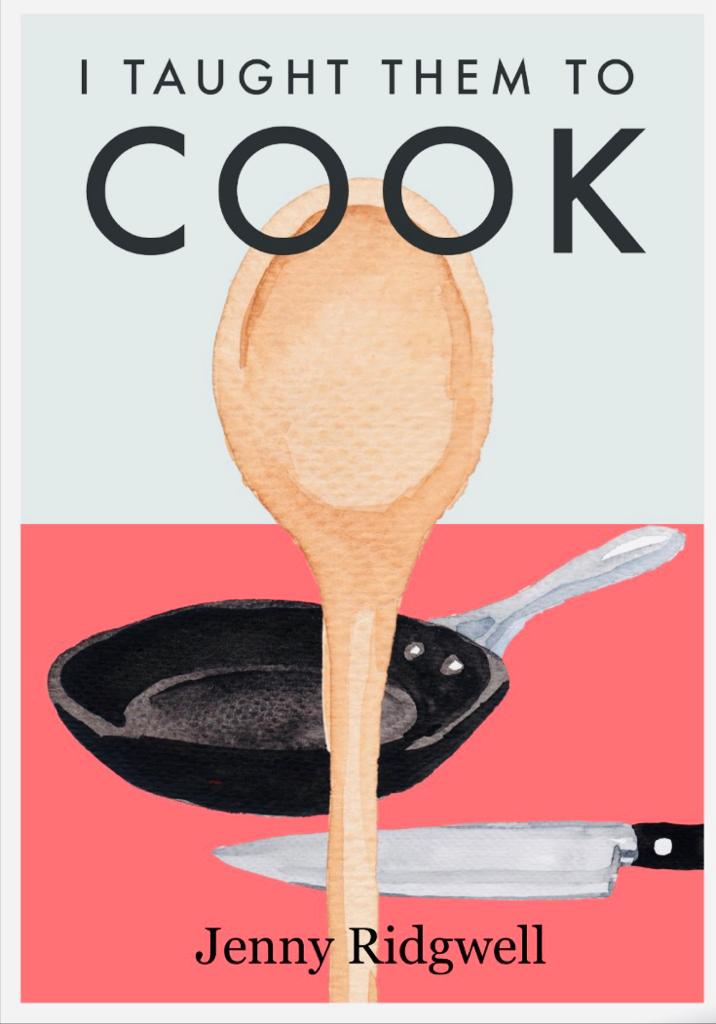
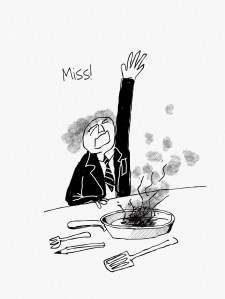
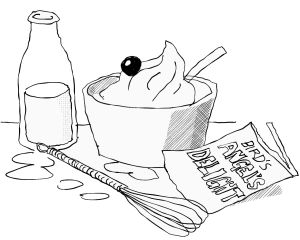
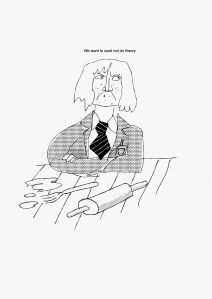
Dave Smith has done some wonderful drawings in the hardback edition of I taught them to cook.
These are images food teachers like:-