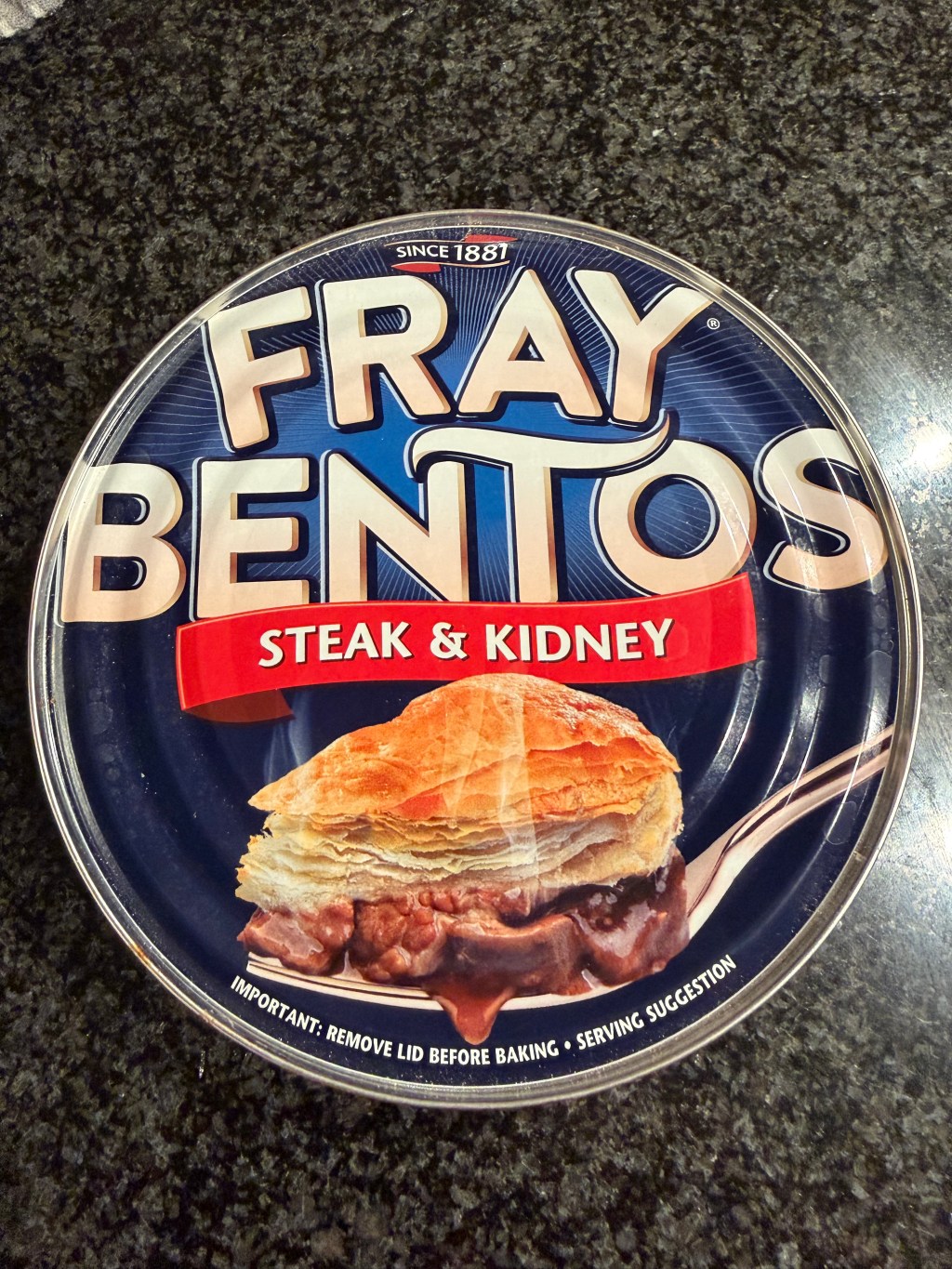
This was the first time I’ve ever eaten a Steak and Kidney Fray Bentos Pie. Or indeed a Fray Bentos Pie.
My mother, who was a full time teacher, cooked our food from scratch every evening. She only opened the occasional tin of beans or bought some frozen peas. And would have been horrified that I baked this tinned pie for my evening meal.
The only reason for this family sin was that I had proper food in the fridge. I’d kept the Fray Bentos tin for the history part of my Food Talks. Looking in the Talks drawer its BB date was 11/2027 so into the airfryer it went.
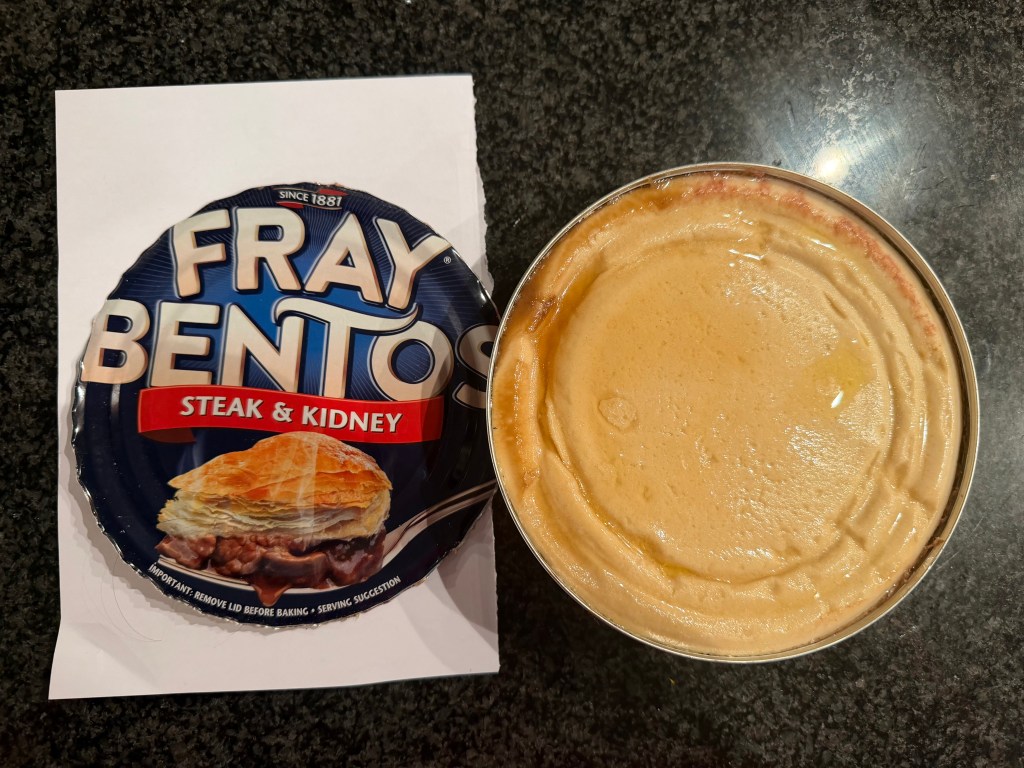
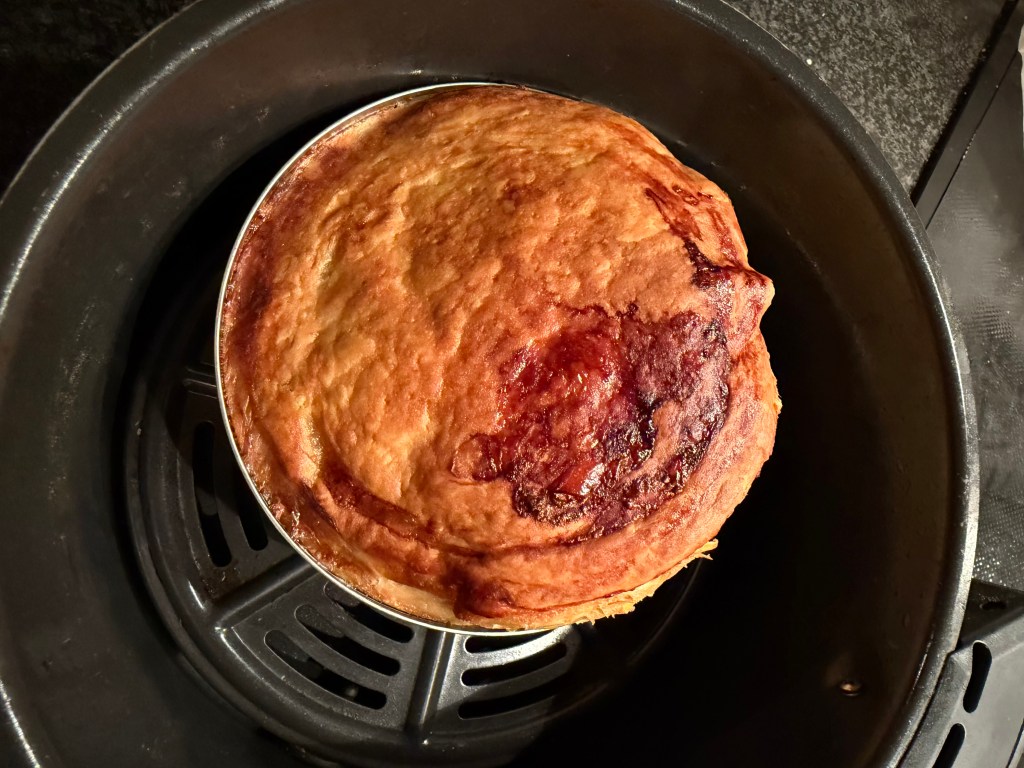
But I’d forgotten to read the instructions on the tin bottom and didn’t want to tip it over as the juices might run out. So guessed 20 minutes at 190C. And kept checking every 5 minutes.
The golden pastry puffed up nicely golden. Was I supposed to egg glaze it?
Ready to eat, I scooped out the brown juices and piled flaky pastry on top, serving microwaved frozen peas to match this one off treat.
Thick, brown, Bisto-like gravy hid a few tiny lumps of meat and I assume the curdled beige pieces were minced kidneys. How did it taste? Well Ah Bisto! sums it up. The brown, glossy gravy was the best bit, but the pastry was splodgy, needing more cooking time. Most went in the bin, and I quietly thanked my mother for cooking fresh food for us for all those years.
Fray Bentos Pies have been and important part of our history since 1881- it says on the tin. And a valuable storecupboard resource in times of rationing and food shortages. The story began with German chemist Justus von Liebig, who developed a way of making concentrated meat extract. In 1865, the Liebig Extract of Meat Company was established in London. An enormous factory in Uruguay processed South American beef for export to Europe. By 1873, the company was producing tinned corned beef under the Fray Bentos name. In 1881, Fray Bentos was registered as a British trademark and Fray Bentos corned beef became an important food for British soldiers during the Boer War and both World Wars. Fun fact – during the First World War, a British tank was even nicknamed Fray Bentos, because the crew felt rather like meat packed inside a tin!
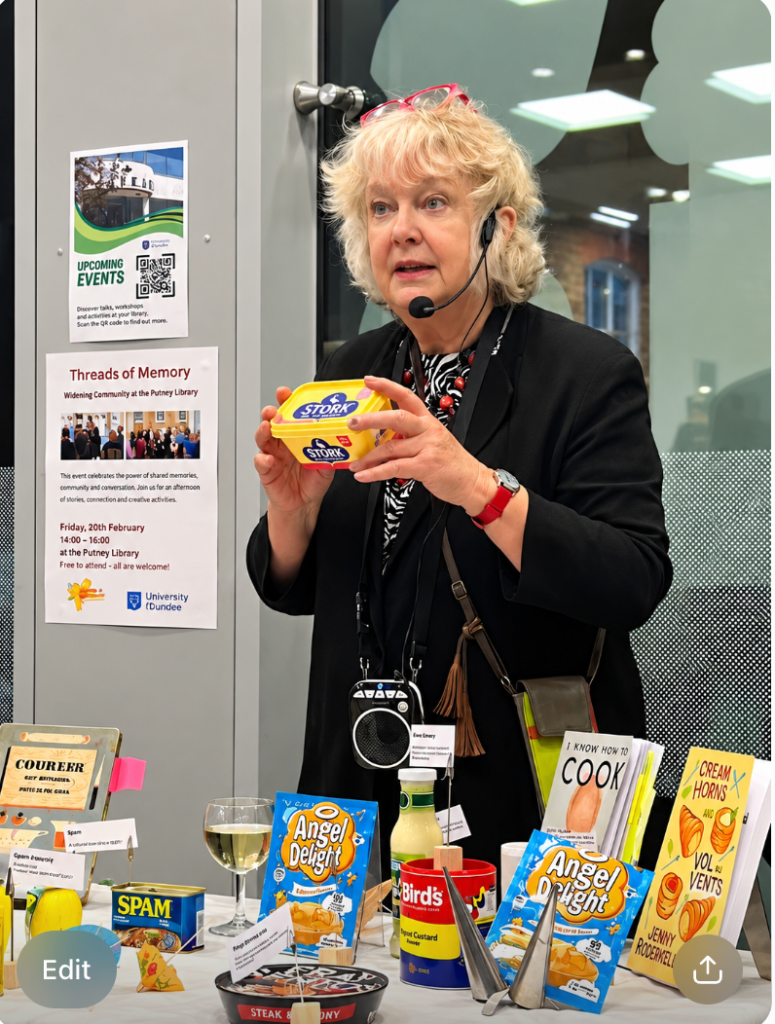
Fray Bentos joins Bisto, Bird’s Custard, Rowntree’s Jelly, Salad Cream, Smash and Stork for stories for my food talks
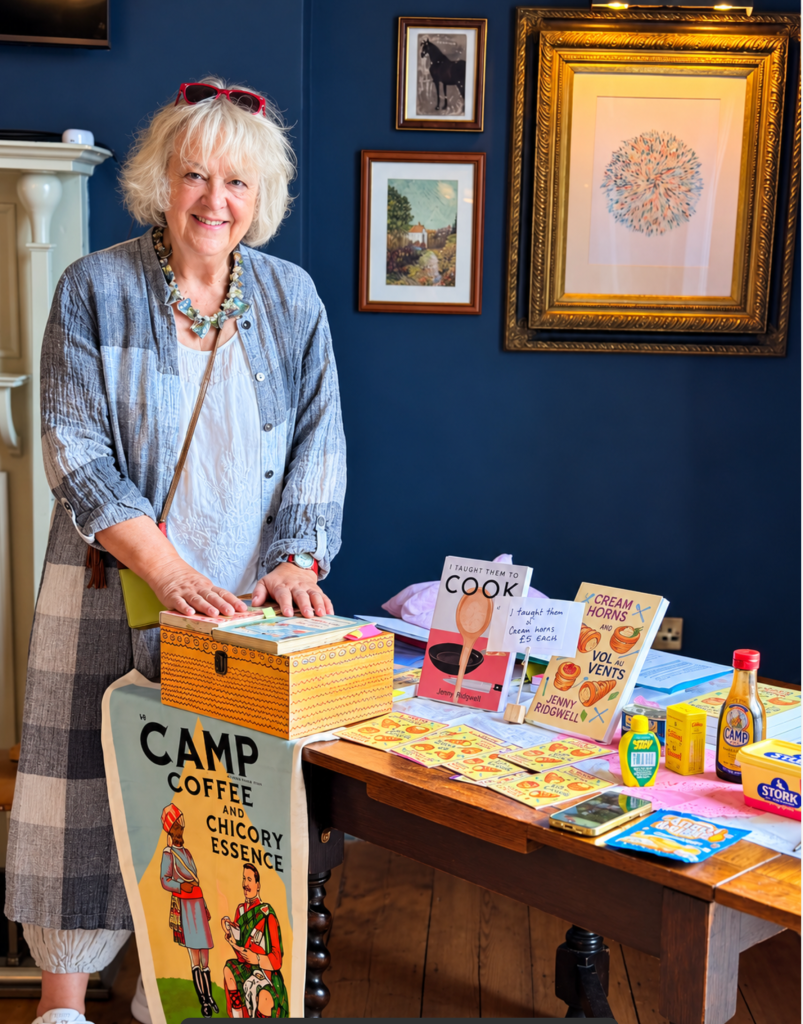
More in my books – I taught them to Cook and Cream Horns and Vol au Vents.
How I used a Scrapbook to plan Cream Horns and Vol au Vents
What was it like teaching cookery to teenagers in East London in the 1970s?
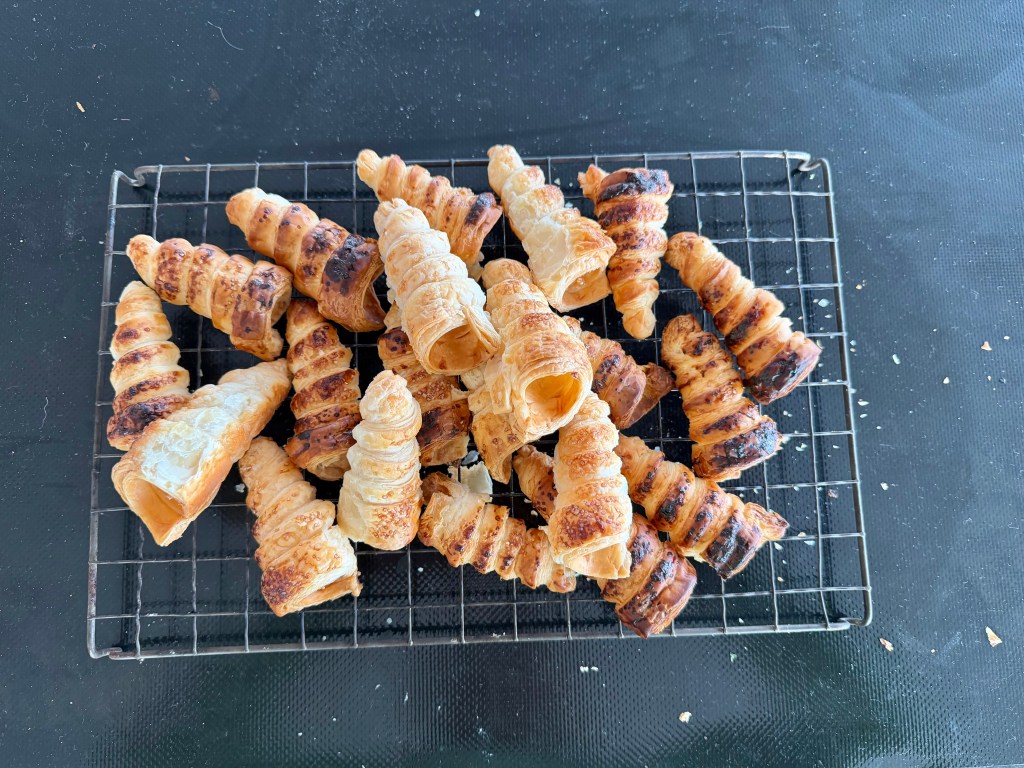
My book, Cream Horns & Vol-au-Vents, looks back at my experiences as a young teacher, trying to teach teenagers how to cook in a very different world.
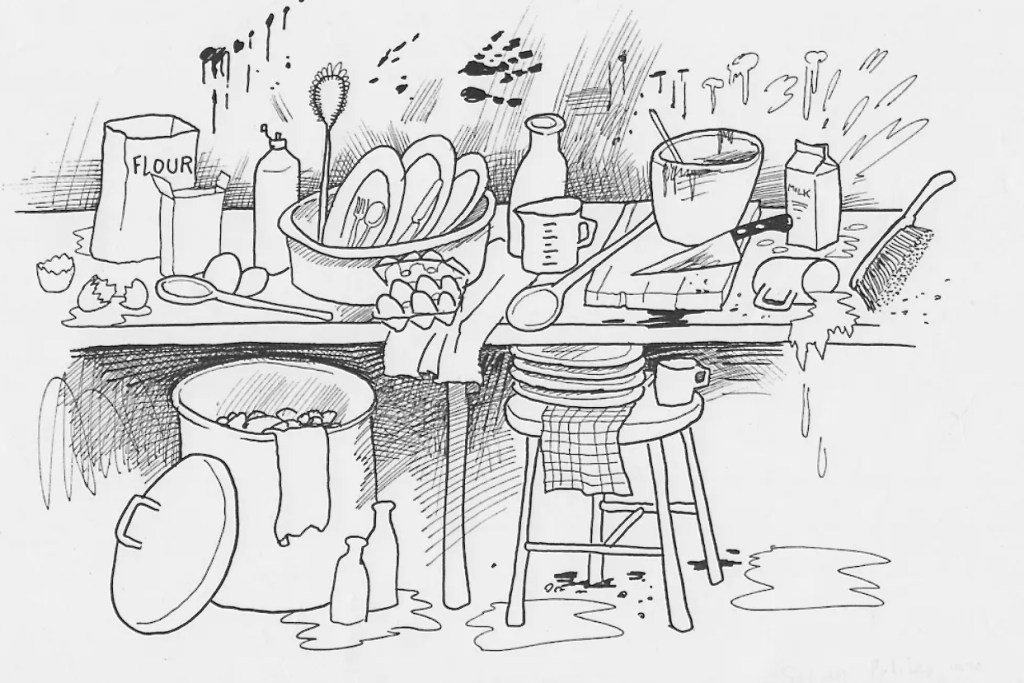
Those were the days when cookery lessons could involve making cream horns, vol-au-vents and other elaborate dishes that had remarkably little to do with the practical business of feeding yourself.
Looking back, I sometimes wonder quite what we thought we were preparing our pupils for!
But teaching was never just about the recipes. It was about the young people, the classroom, the challenges and the funny, frustrating and unforgettable moments along the way.
Cream Horns & Vol-au-Vents is my account of teaching cookery in East London during the 1970s, and of an approach to food education that now seems a world away.
It’s a story about teaching, teenagers and changing times — with plenty of cooking along the way.
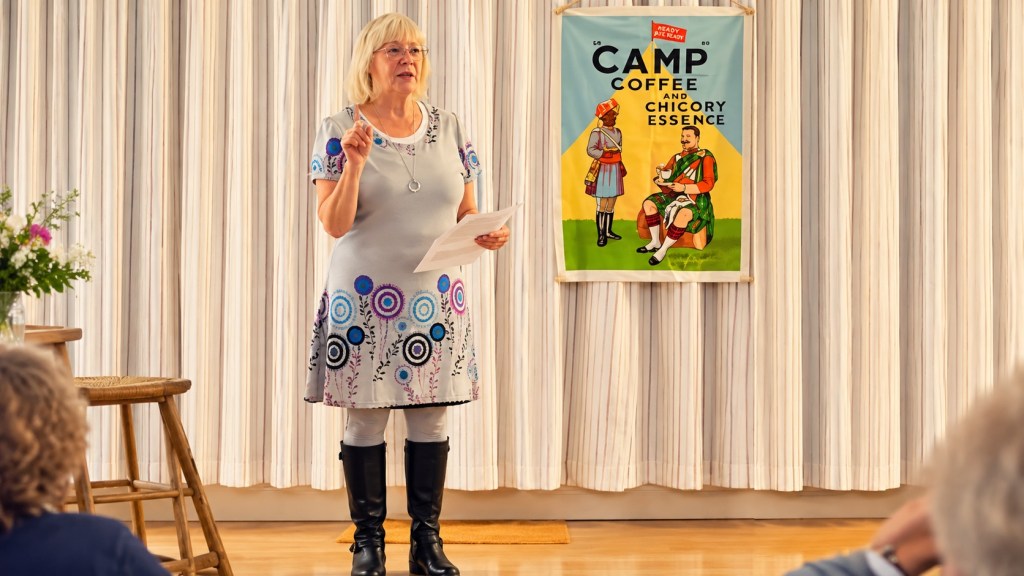
The Food Talks, based on my books, have proved very popular.
Book launch in Putney venue
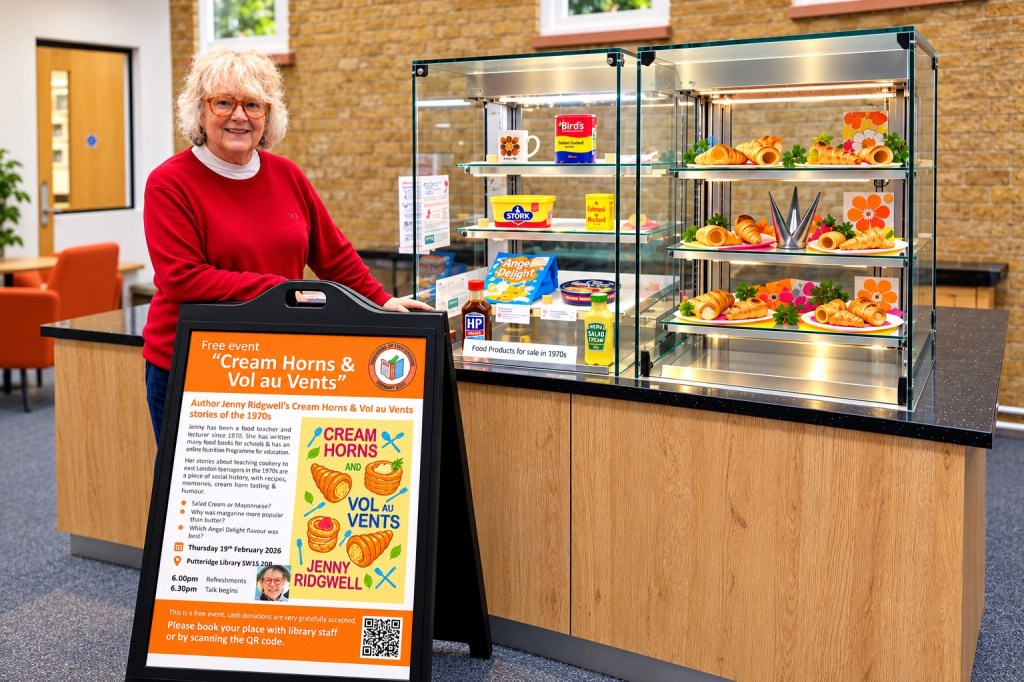
Talk to large audience Putney Library
Various WIs around London including Putney and Barnes
Future talks to U3a , National Health Retirement Groups, more WIs and …. whoever asks!
Cream Horns & Vol-au-Vents:
A Delicious Slice of 1970s Food History
Remember Angel Delight, Vesta curries, Smash, Spam and the wonders of the 1970s kitchen?
I’ll take you on a nostalgic journey through the food, fashions and culinary crazes of the 1970s.
From convenience foods and supermarket innovations, discover how Britain changed the way we shopped, cooked and ate.
Share my experiences teaching cookery to teenagers in East London, and the absurdities of school cookery lessons, when students learnt to make cream horns and vol-au-vents rather than practical everyday meals.
Packed with food memories, vintage packaging, surprising facts and entertaining stories, this illustrated talk brings the tastes and trends of the 1970s vividly back to life.
A feast of nostalgia, laughter and food history — guaranteed to get audiences talking about what they used to eat!
Available for libraries, museums, historical societies, community groups and special events.
We met Prue Leith at the Royal Academy when she was promoting her book about being old. Prue is a massive supporter of food education and deserves her Damehood. She talked once at one of my Ridgwell Press conferences when we went all the way to York.
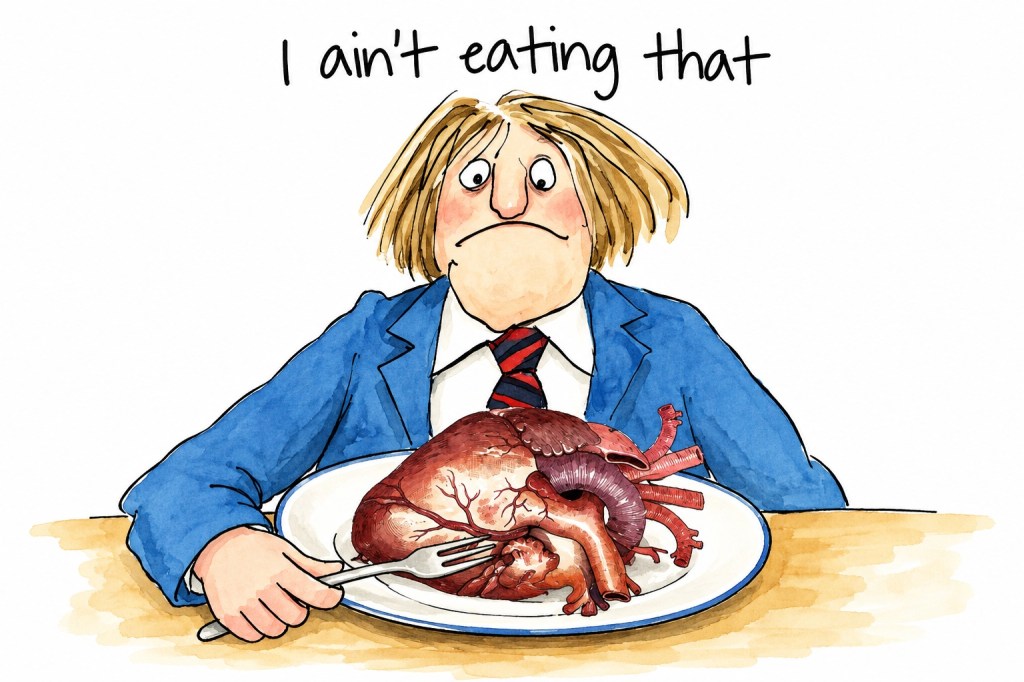
Prue Leith has written a passionate piece on her website about the demise of Offal and called it Awful Offal.
I wonder if she got the idea from my I taught them to cook book?